Oncepik A Practical Guide to Visual Collaboration for Creative Teams
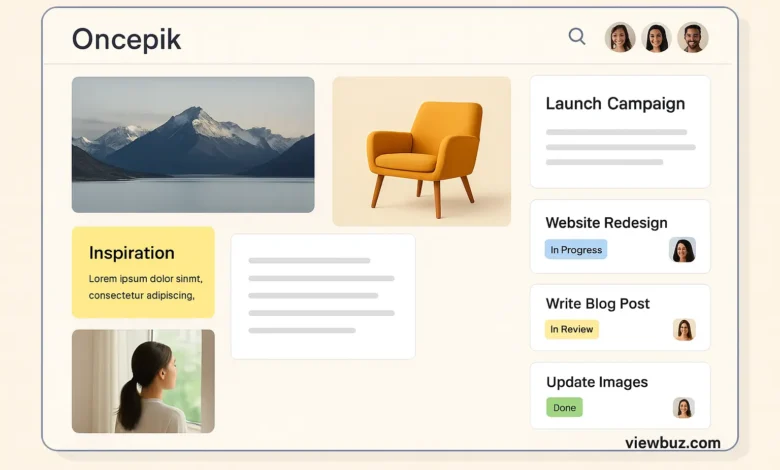
If your team struggles to keep ideas, assets, and tasks organized in one place, oncepik offers a fresh, visual-first approach to collaboration. Designed for designers, content creators, and small agencies, oncepik combines visual boards, file management, and feedback tools to reduce friction and keep projects moving. This guide explains what oncepik is, how it works for different workflows, and how to get the most value from a visual workspace without sacrificing clarity or control.
What is oncepik and who benefits from it
oncepik is a digital workspace built around visual organization. Instead of long lists or dense documents, the platform places images, notes, and tasks onto flexible canvases where teams can arrange items spatially and contextually. Creative teams, marketing groups, and freelancers benefit most because their work is inherently visual; mood boards, asset libraries, and iterative feedback loops become easier to manage when they exist in a single shared view. Project leads gain a bird’s-eye view, while designers retain the spatial freedom to experiment.
Core features that power visual workflows
The strength of oncepik lies in a few core capabilities. Visual canvases let you cluster ideas, create mood boards, or map user journeys; file and media management keeps assets accessible and versioned; commenting and real-time presence enable quick feedback; and simple task cards help translate creative decisions into actionable items. Together, these features eliminate the need to swap among multiple apps during a single creative sprint. Teams can draft, review, and iterate in the same place where assets live.
How oncepik changes the way teams brainstorm and plan
Traditional brainstorming often scatters inspiration across chat threads, email, and personal folders. oncepik centralizes that process. Teams can drop references onto a canvas, tag colleagues for input, and immediately turn promising concepts into tracked tasks. The spatial layout supports associative thinking—placing elements near each other to suggest relationships—and the result is faster, more visual decision-making. For planning, oncepik’s canvases act as living roadmaps that evolve from rough sketches into detailed execution plans.
Using oncepik for content creation and asset management
Content teams often juggle images, scripts, drafts, and publishing checklists. oncepik helps by keeping every asset linked to a visual reference. For example, a campaign mood board can contain product photos, draft captions, and a publishing calendar. Each item can carry notes, status labels, or assigned owners, creating a single source of truth for the campaign. Asset discovery improves too: visual organization makes it easier to find the right image or file because you remember what it looked like rather than which folder it sat in.
Collaboration and feedback: faster, clearer, and contextual
Feedback matters most when it’s attached to the thing being reviewed. oncepik supports inline comments, annotations, and version history so feedback is always contextual. Reviewers annotate an area of an image or a note, and the author sees suggestions in place. This reduces misunderstandings that happen when feedback travels through separate channels. Real-time cursors and presence indicators also make remote collaboration feel more immediate, which helps reduce the back-and-forth that slows creative cycles.
Practical workflows: from idea to delivery
A practical oncepik workflow starts with an exploratory canvas. Begin by collecting references, sketches, and user research. Next, cluster strong concepts into focused canvases and add task cards for production steps. Use labels or tags for status (draft, review, final) and assign owners. During production, keep revision notes and final assets in the same canvas. Finally, when content is ready, export or link deliverables to your distribution tools. This keeps context intact and prevents losing crucial creative rationale.
Security, sharing, and version control considerations
When working with visual assets, file security and clear sharing controls are essential. oncepik typically supports role-based permissions so you can control who views, comments, or edits a canvas. Version control lets teams revert to previous iterations when needed, preserving the creative trail. For sensitive projects, maintain a clear access policy and limit external sharing until assets are approved. Regularly audit shared canvases to ensure access matches the current project stage.
Comparison: when to use oncepik vs. other tools
Some teams combine multiple specialized tools—one for design, another for tasks, another for storage. oncepik aims to reduce context switching by combining those capabilities into one visual environment. Use oncepik when visual context and asset proximity are important, such as brand design, campaign planning, and concept development. For heavy engineering roadmaps or highly transactional task tracking, a dedicated project management system may still be preferable. The best approach is often complementary: use oncepik for ideation and creative collaboration, then sync final tasks to your project tracker.
Tips to get the most from oncepik
Start with templates to avoid blank-canvas paralysis: mood boards, sprint planning canvases, and asset libraries accelerate adoption. Standardize labels and status markers so team members interpret visual cues consistently. Allocate a short onboarding session that demonstrates how to leave contextual feedback and attach files. Finally, archive old canvases to keep the workspace focused and fast—decluttering ensures that the most relevant projects remain visible and accessible.
Measuring success and demonstrating ROI
To evaluate the impact of oncepik, track qualitative and quantitative indicators. Qualitative signals include faster approval cycles, clearer feedback, and improved creative alignment. Quantitative metrics might include reduced tool-switching time, fewer revision rounds, and faster time-to-publish. Collect before-and-after samples from a pilot project: compare the number of feedback loops, total hours spent on revisions, and the time taken to move from concept to delivery. These measurements help justify wider adoption.
Common challenges and how to overcome them
Adoption resistance and inconsistent use are common hurdles. Overcome them by championing a small group of power users who model good practices and create templates. Ensure naming conventions and tagging are simple and enforced early. Finally, limit the number of active canvases per team to prevent fragmentation. Clear governance paired with hands-on support reduces friction and makes oncepik a reliable part of everyday workflow.
Conclusion
Visual collaboration tools can transform the way creative teams work by keeping ideas, feedback, and assets together in a single, discoverable place. oncepik delivers a practical visual workspace that supports ideation, production, and review, helping teams move faster with fewer misunderstandings. With thoughtful onboarding, consistent conventions, and a pilot to measure impact, oncepik can become the creative hub that streamlines your projects from inspiration to delivery.
FAQs
What types of teams benefit most from oncepik?
Design teams, content creators, and small creative agencies gain the most because oncepik emphasizes visual context and integrated asset management.
Can I control who sees my canvases in oncepik?
Yes. Permission settings allow you to manage viewing, commenting, and editing rights so sensitive projects stay secure.
Does oncepik replace my project management tool?
It can for visual workflows, but many teams use oncepik alongside a dedicated PM tool to handle large-scale roadmaps and billing.
How does feedback work inside oncepik?
Feedback is contextual—comments and annotations attach directly to images or notes, reducing miscommunication during reviews.
Is oncepik suitable for remote collaboration?
Absolutely. Real-time presence and visual canvases make remote brainstorming and review sessions feel immediate and productive.
You May Like: Understanding klasody in Today’s Digital Learning World