What Is Pappedeckel A Complete Guide to Uses, Benefits, and Sustainability
Choosing the right packaging material is no longer just about protection; it is also about sustainability, cost efficiency, and customer perception. One material that consistently meets these expectations is pappedeckel. Many businesses and individuals encounter this term but lack clear, reliable information about what it actually is and why it matters. This detailed guide is designed to explain the material in simple language, helping readers understand its value, applications, and long-term benefits with clarity and confidence.
What Is Pappedeckel?
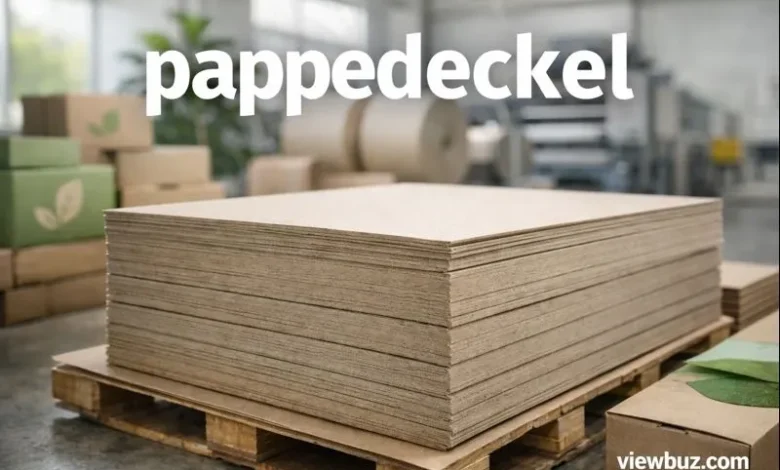
The term pappedeckel refers to a dense paperboard material created by compressing multiple layers of recycled paper fibers. The result is a sturdy yet workable board that sits between standard cardboard and rigid industrial boards. Its structure allows it to maintain shape under pressure while remaining light enough for easy handling and transport.
This material is widely used in industries that require reliable protection without excessive weight. Unlike thin paperboard, it offers improved rigidity, making it suitable for packaging, inserts, covers, and support layers. Its surface can also be treated or printed, which makes it practical for both functional and visual purposes.
Understanding Search and Industry Intent
From a search and industry perspective, interest in pappedeckel is mostly informational and commercial. Users typically want to understand its meaning, characteristics, and whether it is suitable for their packaging or manufacturing needs. Businesses researching sustainable materials often look for clear comparisons, environmental impact, and cost considerations.
Industry professionals focus on consistency, recyclability, and adaptability. This material fits well into modern supply chains because it supports both branding and environmental compliance. As sustainability standards continue to tighten, materials like this gain even more relevance.
Common Uses in Packaging and Manufacturing
One of the biggest strengths of pappedeckel is its versatility. It is commonly used in rigid boxes, book covers, file folders, backing boards, and protective packaging inserts. These applications benefit from its ability to provide structure without adding unnecessary bulk.
In manufacturing, it serves as a reliable layer for stabilizing products during transport. Many brands choose it for premium packaging because it enhances product presentation while maintaining durability. Its clean edges and smooth surface allow for precise cutting and professional finishes.
Benefits That Make It a Practical Choice
There are several reasons why pappedeckel continues to be a preferred option across industries. First, it offers a strong balance between strength and weight. This reduces shipping costs while still protecting products effectively. Second, it adapts well to customization, whether for thickness, size, or surface treatment.
Another key advantage is cost control. Compared to heavier rigid materials, it delivers similar performance at a more manageable price point. This makes it especially attractive for small and medium-sized businesses aiming to scale without compromising quality.
Sustainability and Environmental Impact
Sustainability is one of the most important factors driving the popularity of pappedeckel. It is typically produced from recycled paper fibers and can be recycled again after use. This supports circular production systems and reduces waste sent to landfills.
Because it is paper-based, it decomposes naturally under appropriate conditions. Companies using this material can demonstrate environmental responsibility while meeting regulatory requirements. Consumers increasingly value brands that make conscious material choices, and this board aligns well with those expectations.
How to Choose the Right Grade and Thickness
Selecting the right quality of pappedeckel depends on how it will be used. Lightweight applications such as inserts or covers may require thinner boards, while heavier products benefit from increased thickness and density. The intended load, storage conditions, and handling frequency should all be considered.
Surface quality also matters. For printed packaging or visible components, smoother finishes provide better visual results. Working with experienced suppliers helps ensure consistency and avoids performance issues during production.
Comparison With Other Paper-Based Materials
Compared to standard cardboard, pappedeckel offers greater rigidity and longer lifespan. While corrugated materials excel in cushioning, this board provides a cleaner, more structured form. It is especially suitable for products that require shape retention and a premium look.
When compared with plastic-based alternatives, it stands out for its environmental benefits. Although plastic may offer moisture resistance, paperboard solutions are increasingly treated to improve durability while remaining recyclable.
Practical Tips for Businesses
Businesses planning to integrate pappedeckel into their packaging should start with small test batches. This allows evaluation of performance, print quality, and customer response. Storage conditions should remain dry to maintain material integrity.
Clear communication with manufacturers about requirements ensures better results. When used correctly, this board can enhance brand perception while supporting sustainability goals.
FAQs
Is this material suitable for premium packaging?
Yes, it is commonly used in premium and rigid packaging because it provides structure, a clean finish, and good print compatibility.
Can it be recycled easily?
Most versions are made from recycled paper fibers and can be recycled again, making it a strong choice for environmentally responsible packaging.
How durable is it compared to regular cardboard?
It is generally more rigid and long-lasting than standard cardboard, especially for products that need shape retention and surface stability.
Is it safe for long-term storage?
When stored in dry conditions, it performs well for long-term storage and maintains its structural integrity.
Can businesses customize it for branding purposes?
Yes, it can be cut, shaped, and printed, allowing businesses to customize size, thickness, and visual appearance.
Conclusion
Choosing the right packaging material plays a major role in product protection, branding, and sustainability. Understanding how this type of paperboard works helps businesses and individuals make informed decisions that balance durability, cost, and environmental responsibility. With proper selection and usage, it can support practical needs while also meeting modern expectations for quality and sustainability.
You May Like: Trucofax How It Works, Benefits, Use Cases & Safety Insights