Ausbeulstation Explained Modern Dent Repair for Today’s Workshops
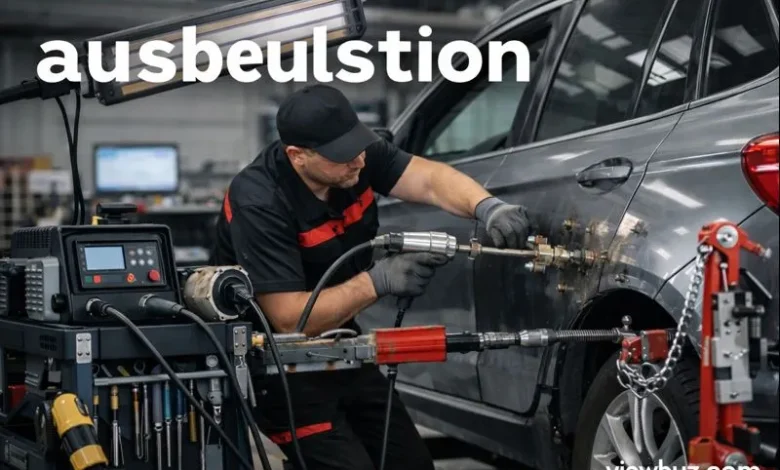
Modern vehicle owners expect fast, cost-effective, and high-quality repairs, especially when it comes to dents and minor body damage. This expectation has changed how workshops operate and which tools they rely on. One of the most important developments in this field is the ausbeulstation. It represents a dedicated repair solution designed specifically for removing dents and restoring vehicle body panels with precision and care.
An ausbeulstation is not just a single tool but a complete working concept. It combines technology, ergonomics, and workflow optimization to ensure that dent repair is carried out efficiently and professionally. As vehicles become more complex and customer expectations continue to rise, this type of workstation has become a standard feature in many modern automotive workshops.
What is an ausbeulstation?
An ausbeulstation is a specialized workstation or repair area used for dent removal and body panel correction in automotive repair environments. Its primary purpose is to restore damaged metal panels to their original shape while minimizing the need for additional processes such as sanding, filling, or repainting.
Unlike traditional body repair methods, which often involve replacing parts or extensive refinishing, the ausbeulstation focuses on precision repair. It allows technicians to work directly on the damaged area, applying controlled force and specialized techniques to reverse deformations in the metal. This approach helps preserve the original structure and finish of the vehicle whenever possible.
How an ausbeulstation works in daily workshop operations
The effectiveness of an ausbeulstation lies in its structured workflow. The process typically begins with a detailed inspection of the damage using special lighting systems that highlight even the smallest dents. Once the damage is clearly visible, the technician selects the appropriate method and tools based on the depth, size, and location of the dent.
Using mechanical pulling systems, pushing tools, or thermal techniques, the metal is gradually reshaped. The controlled environment of the ausbeulstation ensures stability and precision during each step. This methodical approach reduces the risk of overcorrection and helps achieve a smooth, natural result that blends seamlessly with the surrounding bodywork.
Dent repair without repainting as a key advantage
One of the most valued benefits of working with an ausbeulstation is the ability to repair dents without repainting. This method is especially effective for minor damage where the paint surface remains intact. By avoiding repainting, workshops save time and materials while vehicle owners benefit from lower repair costs.
Dent repair without repainting also helps maintain the original factory finish, which is often superior to aftermarket paintwork. Vehicles repaired in this way retain their original appearance and value, making this approach particularly attractive for leased vehicles or cars intended for resale.
Common applications in automotive repair
The ausbeulstation is widely used for a variety of repair scenarios. Parking dents caused by doors, shopping carts, or minor impacts are among the most common cases. These types of damage often appear insignificant but can significantly affect a vehicle’s appearance.
Hail damage repair is another major application. During severe weather events, vehicles may suffer dozens of small dents across multiple panels. A properly equipped ausbeulstation allows technicians to address this type of damage efficiently and consistently, even when handling high volumes of repairs.
Tools and equipment used in an ausbeulstation
A modern ausbeulstation includes a range of specialized tools designed to handle different types of dents and materials. Mechanical pulling devices allow technicians to draw metal outward with controlled force. Pushing tools are used from behind the panel to gently massage dents back into place.
Advanced lighting systems play a crucial role by revealing surface irregularities that are invisible under normal lighting conditions. Some setups also include thermal tools that use heat to relieve tension in the metal, making it easier to reshape. Together, these components create a flexible and adaptable repair environment.
Benefits for workshops and technicians
From a workshop perspective, the ausbeulstation offers significant operational advantages. Repairs can be completed faster compared to traditional bodywork methods, allowing workshops to increase throughput without sacrificing quality. This efficiency translates directly into improved profitability.
Technicians also benefit from the ergonomic design of the workstation. Tools are organized and easily accessible, reducing physical strain and fatigue. Over time, this contributes to better working conditions and more consistent repair results, which are essential for maintaining a strong reputation in a competitive market.
Customer advantages and satisfaction
Customers are increasingly aware of repair methods and often prefer solutions that are both economical and gentle on their vehicles. An ausbeulstation supports this demand by enabling repairs that are less invasive and more affordable than conventional bodywork.
Shorter repair times mean vehicles spend less time in the workshop, which is a major convenience for owners. The ability to preserve the original paint finish further enhances customer satisfaction, as the repaired area blends seamlessly with the rest of the vehicle.
Investment value and long-term profitability
Investing in an ausbeulstation is a strategic decision for many workshops. While the initial cost may seem significant, the long-term benefits often outweigh the expense. Faster repairs, reduced material usage, and increased customer demand contribute to a strong return on investment.
Workshops that offer professional dent repair services can also expand their service portfolio. This diversification helps attract new customers and strengthens relationships with insurance companies and fleet operators who value efficient and reliable repair solutions.
The role of training and expertise
Even the most advanced ausbeulstation relies on skilled technicians to deliver high-quality results. Proper training is essential to understand how different metals behave under stress and how various repair techniques affect the final outcome.
Experienced technicians develop a feel for the material, knowing when to apply force and when to adjust their approach. This combination of technology and human expertise is what makes dent repair both effective and visually flawless.
Future trends in dent repair technology
The automotive industry continues to evolve, and dent repair technology is evolving alongside it. New vehicle designs incorporate lightweight materials and high-strength steels, which require updated repair techniques and tools.
The ausbeulstation of the future is likely to integrate digital measurement systems and enhanced visualization tools. These advancements will further improve accuracy and reduce repair times, ensuring that workshops can meet the demands of modern vehicle construction.
Environmental considerations in modern repair methods
Sustainability is becoming increasingly important in automotive repair. By reducing the need for paint, fillers, and replacement parts, the ausbeulstation supports more environmentally friendly repair practices.
Less material waste and lower energy consumption contribute to a smaller environmental footprint. For workshops aiming to adopt greener practices, dent repair without repainting is an important step toward more sustainable operations.
Comparison with traditional body repair methods
Traditional body repair often involves sanding, filling, and repainting damaged areas. While effective, this approach can be time-consuming and costly. It also introduces the challenge of color matching and long drying times.
In contrast, the ausbeulstation emphasizes precision and minimal intervention. By focusing on restoring the original metal shape, it reduces the need for secondary processes and delivers results more quickly and cleanly.
Quality control and final inspection
Quality control is a critical part of the dent repair process. After the repair is completed, the vehicle is inspected under specialized lighting to ensure the surface is smooth and free of imperfections.
The structured environment of an ausbeulstation supports consistent quality checks. This attention to detail ensures that repairs meet professional standards and customer expectations alike.
Frequently Asked Questions
What types of dents can be repaired using an ausbeulstation?
Most minor to moderate dents without paint damage can be repaired effectively using this method.
How long does a typical dent repair take?
Many repairs can be completed within a few hours, depending on the size and number of dents.
Is dent repair without repainting permanent?
When performed correctly, the repair restores the panel to its original condition and remains durable.
Does this method work on all vehicle materials?
It is effective on many metals, but certain materials may require specialized techniques or tools.
Is an ausbeulstation suitable for small workshops?
Yes, especially for workshops that frequently handle minor body damage and want to improve efficiency.
Conclusion
The ausbeulstation has become an essential element of modern automotive repair. By combining precision, efficiency, and cost-effectiveness, it offers clear advantages over traditional repair methods. Workshops benefit from faster turnaround times and improved profitability, while customers enjoy high-quality repairs that preserve the original look and value of their vehicles.
You May Like: What Is newspaperfit com A Complete Informational Guide