The Evolution of Bifocals in Modern Optical Eyewear Solutions
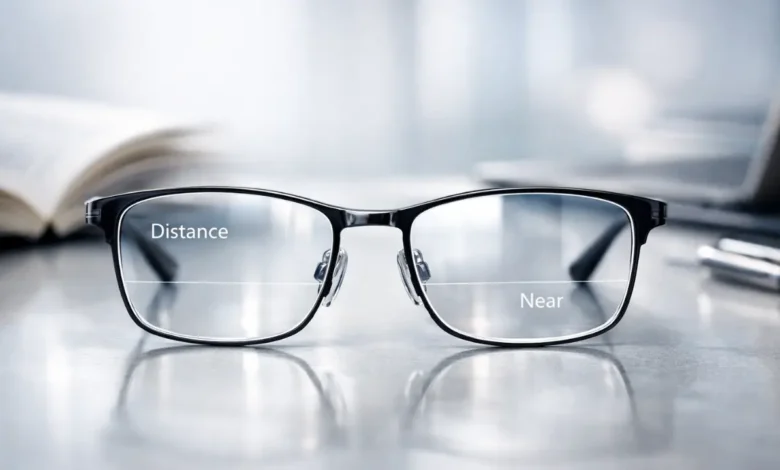
Optical eyewear has advanced through deliberate refinement focused on visual precision across varied viewing distances. Lens development reflects professional dedication toward clarity, comfort, and permanence within structured optical systems. People seeking an informed perspective should explore this article for reliable insight.
Modern eyewear reflects thoughtful adaptation to visual needs across reading distance changes. Bifocals remain central within this progression through segmented lens architecture guided by diopter measurement principles. Readers interested in optical progress should continue reading for a deeper professional context.
Origins of Segment-Based Lens Engineering for Dual Vision
The bifocal lens emerged from early optical efforts focused on separating near focus from distance correction zones. This segmented construction supported reading clarity while preserving forward visual stability. Optical refraction principles shaped early lens crafting standards through disciplined measurement practices. Segment placement relied upon consistent focal demarcation within rigid lens surfaces. This engineering approach established foundational standards for controlled focal separation within corrective eyewear systems.
Advancement of Bifocal Lens Geometry Through Precision Optics
Segment Alignment Accuracy in Contemporary Lens Crafting
Lens geometry depends upon precise alignment between viewing zones guided through segment height calculation. Accurate placement supports smooth ocular transition across focal distances. Craft standards maintain consistency through controlled lens curvature regulation. Optical calibration reinforces dependable performance across repeated visual tasks. Precision placement strengthens binocular coordination during routine distance transitions across structured visual tasks.
Material Consistency Supporting Long-Term Visual Clarity
Lens materials influence durability, optical clarity, and retention through stable refractive index properties. Stable substrates maintain performance during frequent visual shifts across daily routines. Manufacturing precision sustains transparency throughout extended wear cycles. Quality control protects uniform optical response under varied lighting exposure. Material stability preserves lens transparency under repeated exposure to varied lighting conditions.
Functional Lens Placement in Eyewear
Modern eyewear integrates bifocal structures into refined lens profiles supporting everyday visual routines. Balanced focus supports task continuity without disruptive focal interruption. Structured lens zones promote smooth gaze adjustment across reading and professional activities. Visual comfort remains central within optical relevance for routine usage. Consistent visual response supports sustained clarity during reading professional tasks and daily routines.
Visual Seam Control in Modern Eyewear
Frame Proportions Supporting Seam Discretion
Frame geometry influences lens segment appearance relative to pupillary distance alignment. Balanced proportions support visual harmony across facial presentation during wear. Subtle frame shaping reduces noticeable segment demarcation lines. Aesthetic cohesion supports confidence throughout extended eyewear usage. Proportional balance minimizes visual disruption across facial symmetry during extended eyewear use.
Lens Finish Techniques Improving Visual Uniformity
Surface finishing techniques refine lens appearance consistency through surface aberration reduction methods. Polished transitions reduce visual separation between focal regions. Optical coatings enhance uniform light response across segmented surfaces. Refinement supports improved form perception during consistent wear. Refined surfaces contribute to smoother light distribution across segmented optical regions.
Professional Optical Standards Guiding Bifocal Lens Application
Vision care practices follow defined standards guiding lens prescription accuracy through clinical refraction assessment. Professional evaluation ensures alignment with individual visual behavior patterns. Clinical testing supports precise lens selection outcomes within regulated care settings. Ethical practice sustains trust throughout optical service delivery. Standardized evaluation methods promote dependable visual outcomes across diverse prescription requirements.
Modern optical development reflects structured refinement grounded within disciplined craftsmanship traditions. Bifocals continue serving essential roles through reliable visual segmentation supported by optical engineering standards. People seeking dependable eyewear insight should consult certified optical professionals for expert guidance. Continued innovation maintains clarity and comfort across evolving visual expectations.