Daskusza Exploration A Journey Into the Unknown
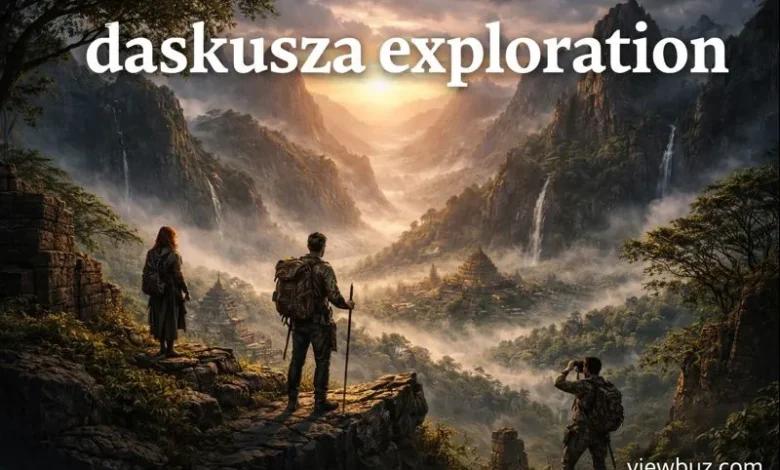
Daskusza exploration is a term that has steadily gained attention among readers who are drawn to mystery, discovery, and deeper understanding. It does not represent a single, fixed location on a modern map, nor is it limited to one discipline. Instead, it reflects a broader idea of exploration that blends geography, culture, curiosity, and the human instinct to search beyond what is already known. This concept appeals to readers because it feels open-ended, inviting interpretation while remaining grounded in the universal desire to explore.
In recent years, daskusza exploration has been discussed as both a physical and intellectual pursuit. For some, it represents imagined or uncharted territories; for others, it symbolizes the process of uncovering forgotten histories, hidden knowledge, or unexplored perspectives. This flexibility is part of what makes the topic compelling and suitable for long-form informational content.
The Origins and Meaning Behind Daskusza Exploration
The origins of daskusza exploration are not tied to a single historical record or academic source. Instead, the term appears to have evolved through modern storytelling, speculative research, and digital discussion. Its meaning has been shaped by how people use it rather than by strict definitions.
At its core, daskusza exploration refers to the act of seeking what lies beyond familiar boundaries. This could mean traveling to remote regions, studying cultures that remain underrepresented, or exploring ideas that challenge conventional thinking. The term resonates because it allows readers to project their own curiosity onto it, making it adaptable across disciplines such as travel, cultural studies, and personal development.
The Concept of Uncharted Territories
One of the most common ways people interpret daskusza exploration is through the lens of uncharted or lesser-known territories. These are places that exist at the edge of common knowledge, whether real or imagined. Throughout history, explorers have been drawn to regions that were poorly mapped or entirely unknown, driven by curiosity rather than certainty.
In this sense, daskusza exploration mirrors historical exploration while remaining modern in its approach. It emphasizes respect for nature, awareness of cultural depth, and the importance of observation over conquest. Rather than focusing on discovery for dominance, it encourages discovery for understanding.
Cultural and Historical Dimensions
Another important aspect of daskusza exploration lies in its cultural and historical implications. Many narratives associated with it refer to hidden traditions, isolated communities, or forgotten knowledge passed down through oral histories. These elements suggest that exploration is not only about finding new land but also about rediscovering what may have been overlooked.
Cultural exploration requires patience and sensitivity. Daskusza exploration, when viewed through this lens, highlights the importance of listening, learning, and documenting without altering or exploiting what is found. This approach aligns well with modern expectations of ethical research and storytelling.
Daskusza Exploration as a Modern Intellectual Idea
Beyond physical travel, daskusza exploration has taken on a more intellectual meaning. It is often used to describe deep inquiry into complex subjects, systems, or ideas that are not easily understood. In this context, exploration happens through research, reflection, and analysis rather than movement across land.
This intellectual form of daskusza exploration appeals to readers interested in philosophy, science, and innovation. It reflects the idea that exploration does not always require distance, but rather depth. Asking difficult questions, challenging assumptions, and seeking original insight all fall within this broader understanding of exploration.
Why Daskusza Exploration Attracts Modern Readers
Modern readers are drawn to daskusza exploration because it offers an escape from oversimplified narratives. In a digital age filled with quick answers and surface-level information, the idea of slow, meaningful exploration feels refreshing.
The topic also aligns with current search trends that favor informational content with depth and clarity. Readers are no longer satisfied with vague explanations; they seek context, background, and thoughtful interpretation. Daskusza exploration meets these expectations by encouraging layered understanding rather than definitive conclusions.
The Role of Storytelling in Daskusza Exploration
Storytelling plays a major role in shaping how daskusza exploration is understood. Stories allow abstract ideas to feel real and relatable. Through descriptive language and structured narratives, exploration becomes an experience rather than a concept.
Well-crafted informational storytelling does not exaggerate or sensationalize. Instead, it guides the reader through ideas step by step, allowing them to form their own understanding. This style supports readability, engagement, and trust, which are all essential for strong search performance.
Ethical Perspectives and Responsible Exploration
Any discussion of exploration today must address ethics. Daskusza exploration, when handled responsibly, emphasizes learning without harm. This includes respecting cultures, preserving natural environments, and acknowledging limitations in knowledge.
Responsible exploration also means recognizing that not everything needs to be uncovered or explained. Sometimes, the value lies in observing and preserving rather than exposing. This perspective adds maturity and balance to the concept, making it relevant to thoughtful audiences.
The Future of Daskusza Exploration
As interest in meaningful discovery continues to grow, daskusza exploration is likely to remain relevant. Its adaptability allows it to evolve alongside changing cultural and technological landscapes. Whether applied to travel, research, or personal growth, the concept encourages curiosity guided by responsibility.
Future discussions may refine the term further, but its essence will likely remain the same: a commitment to understanding what lies beyond the obvious, approached with patience and respect.
Frequently Asked Questions
What is daskusza exploration?
Daskusza exploration refers to the pursuit of unknown or lesser-understood ideas, places, or cultures, focusing on curiosity and thoughtful discovery.
Is daskusza exploration a real location?
It is not a confirmed geographic location but rather a concept shaped by modern interpretation and exploratory narratives.
Why is daskusza exploration popular online?
Its open-ended nature and focus on meaningful discovery make it appealing to readers seeking depth and originality.
Can daskusza exploration apply to research and learning?
Yes, it is often used to describe deep intellectual inquiry and the exploration of complex topics.
How does daskusza exploration relate to ethical exploration?
It emphasizes respect, responsibility, and understanding rather than exploitation or oversimplification.
Conclusion
Daskusza exploration represents more than a single idea or destination. It is a framework for understanding exploration as a thoughtful, layered process that values depth over speed. By blending curiosity, culture, ethics, and storytelling, it offers readers a meaningful way to engage with the unknown. For those seeking knowledge that goes beyond surface-level explanations, daskusza exploration provides a compelling and timeless perspective.