The Ultimate Guide to the Glamping Economy: Trends, Growth & Practical Insights for 2026
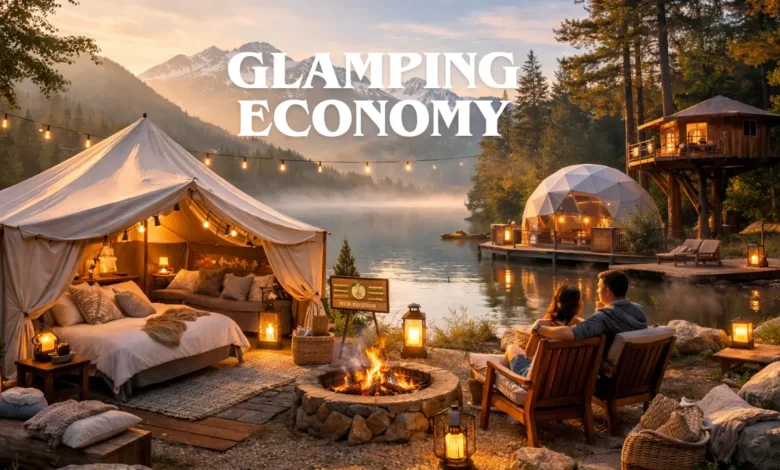
The glamping economy represents a powerful shift in global travel and tourism combining the freedom of outdoor experiences with the comfort and luxury of modern accommodations. As travelers seek meaningful and immersive experiences in nature, glamping has emerged as a standout trend that fuels both economic growth and lifestyle change.
Unlike traditional camping, glamping units are designed to be inviting, comfortable, and Instagram‑worthy, creating a demand that goes beyond “just getting away.” From wooded treehouses to lakeside safari tents with plush beds and heating, glamping has transformed outdoor hospitality into a booming economic force.
In this article, we’ll explore the glamping economy in depth its growth patterns, key trends, business potential, challenges, and practical insights for anyone interested in this exciting field.
The Rise of the Glamping Economy: A Market Overview
The glamping economy is rapidly expanding worldwide, reflecting increased interest in nature‑based travel and unique hospitality experiences. According to industry estimates, the global glamping market was valued in the billions as of 2024 and is projected to continue growing strongly over the next decade.
Market Size & Growth Forecast
- The global glamping market was estimated at approximately USD 3.45–3.81 billion in 2024.
- It’s expected to grow to around USD 6.1–6.4+ billion by 2030, with a consistent compound annual growth rate (CAGR) of around 10–11%.
- Some long‑term projections suggest the market could even expand beyond this range, hitting double‑digit growth through the early 2030s.
Who’s Driving the Demand?
The demand for glamping is strongest among younger travelers, especially Millennials and Gen Z, who make up a significant share of the customer base due to their desire for experiential and socially shareable trips.
Direct online bookings and tech‑driven platforms also make it easier for travelers to find and reserve glamping sites, fueling this growing economic segment.
Key Elements of the Glamping Economy
The glamping economy isn’t just about tents it’s a complete ecosystem that blends hospitality, lifestyle, technology, sustainability, and local culture. Understanding these elements helps explain why glamping continues to thrive.
Luxury Meets Nature
Glamping accommodations range from:
- Safari tents and yurts
- Treehouses and cabins
- Domes, pods, and tiny homes
These all provide more comfort than traditional camping while still offering immersive outdoor experiences.
Experience‑Driven Travel
Travelers now seek:
- Unique locations
- Wellness activities (e.g., forest bathing, yoga)
- Digital detox retreats
This shift has turned glamping into a lifestyle choice rather than just a travel option.
Tech Integration
Modern glamping sites incorporate:
- Online booking systems
- Smart amenities (Wi‑Fi, climate control)
- Mobile apps for services and navigation
These technological improvements bolster guest satisfaction and increase repeat business.
Economic Impact on Local Communities
One of the most interesting aspects of the glamping economy is its positive effect on local economies, especially in rural or lesser‑visited regions.
Job Creation
Glamping operations generate:
- Hospitality jobs
- Groundskeeping and maintenance roles
- Tour guide or outdoor instructor positions
Depending on size, a single glamping site can support 15–30 direct jobs with additional indirect jobs through supply chains.
Support for Local Businesses
Visitors spend on:
- Local food and crafts
- Transportation services
- Outdoor activities
This multiplier effect keeps visitor dollars circulating within the community.
Seasonal Stability
With thoughtful design (e.g., insulation and heating), many glamping sites operate beyond peak seasons, helping stabilize income for regional tourism sectors.
Key Trends Shaping the Glamping Economy
Understanding trends helps operators and investors make smarter decisions. Here are the most noteworthy ones:
Sustainability and Eco‑Conscious Experiences
Travelers increasingly choose glamping sites that emphasize:
- Renewable energy (solar, wind)
- Eco‑friendly materials
- Zero‑waste operations
Many glamping destinations now partner with conservation efforts to highlight environmental stewardship.
Wellness Tourism Integration
Wellness offerings such as guided meditation, outdoor spas, and nature retreats are becoming common, blending health and travel.
Social Media Influence
Instagram‑worthy stays (treehouses, cabins, lakeside tents) drive organic online attention, increasing bookings and brand visibility.
Diverse Revenue Streams
Operators don’t just make money from nightly stays. They also earn from:
- Workshops and events
- Local tours
- Merchandise and experiences
- Partnerships with travel platforms or hotels
This diversification enhances the resilience of the glamping economy.
Practical Insights for Glamping Entrepreneurs
If you’re considering entering the glamping economy, here are key steps and recommendations to help you succeed:
Start with Strong Market Research
- Identify underserved regions where nature tourism is growing.
- Study demographics and travel trends to tailor offerings.
Design for Comfort & Sustainability
Guests expect:
- Comfortable bedding and climate control
- Clean, hygienic facilities
- Eco‑friendly operations
These help justify premium pricing and attract repeat visitors.
Leverage Technology
Implement:
- Direct online booking
- Mobile check‑in
- Digital concierge tools
Tech makes the experience more seamless and scalable.
Build Local Partnerships
Work with:
- Local tour guides
- Farmers or food suppliers
- Handicraft vendors
These collaborations enrich guest experiences and strengthen community ties.
Focus on Marketing & Branding
Create compelling content:
- Instagram & TikTok visuals
- Influencer partnerships
- Storytelling that captures the site’s uniqueness
Visual appeal is a powerful driver of demand in the glamping economy.
Challenges Within the Glamping Economy
No growing industry is without hurdles. Knowing them helps you plan effectively:
Seasonal Occupancy
Demand can fluctuate with weather, requiring creative pricing or services for off‑peak months.
Regulatory Restrictions
Protected lands and zoning rules may limit where glamping sites can operate.
High Initial Costs
Building quality glamping units with utilities and amenities requires upfront capital.
By addressing these challenges proactively, operators can build more resilient and adaptable businesses.
Real‑World Examples and Success Stories
Across the globe, glamping projects illustrate the economic potential of this trend:
- In rural areas of Europe and the U.S., glamping has rejuvenated tourism in regions once overlooked by traditional hotel investors.
- In India, government‑backed eco‑tourism glamping projects are enhancing local livelihoods while promoting conservation.
- Treehouses in the UK have become not only beloved vacation options but also profitable assets with strong year‑round demand.
These examples show how glamping transforms landscapes into economic hubs creating jobs, encouraging eco‑tourism, and building sustainable experiences.
Conclusion: Why the Glamping Economy Matters
The glamping economy represents more than a niche travel trend it’s a dynamic movement reshaping hospitality, tourism, and local economic growth. With a projected rise in market value, strong consumer demand, and diverse opportunities for entrepreneurs, glamping offers both experiential richness for travelers and practical revenue streams for investors.
FAQs: Glamping Economy
What is the glamping economy?
The glamping economy refers to the growing market of luxury camping experiences that combine comfort, unique accommodations, and outdoor adventure. It includes treehouses, safari tents, yurts, and other immersive stays that drive tourism, local business growth, and new economic opportunities.
How big is the glamping market?
The global glamping economy was valued at approximately USD 3.5–3.8 billion in 2024 and is projected to reach USD 6.1–6.4+ billion by 2030. Growth is fueled by demand from Millennials and Gen Z travelers seeking experiential and sustainable travel options.
Why is glamping popular among travelers?
Travelers are drawn to glamping because it offers luxury, comfort, and connection with nature in a single experience. Features like climate-controlled tents, wellness retreats, and social-media-ready accommodations make glamping a preferred choice over traditional camping.
How does the glamping economy benefit local communities?
Glamping generates jobs, tourism revenue, and local business growth. Guests spend on food, crafts, tours, and activities, creating a multiplier effect that supports rural economies. Many sites also promote eco-friendly practices, benefiting both the environment and local communities.
What are key trends in the glamping economy?
The glamping economy is shaped by trends such as sustainability, wellness tourism, technology integration, and social media influence. Operators increasingly offer eco-friendly stays, wellness programs, online booking platforms, and Instagram-worthy experiences to meet growing consumer expectations.
You May Like:Glucosamax: The Ultimate Guide to Benefits, Dosage, and Side Effects