What Is Markiseteppe and Why It Matters for Outdoor Comfort
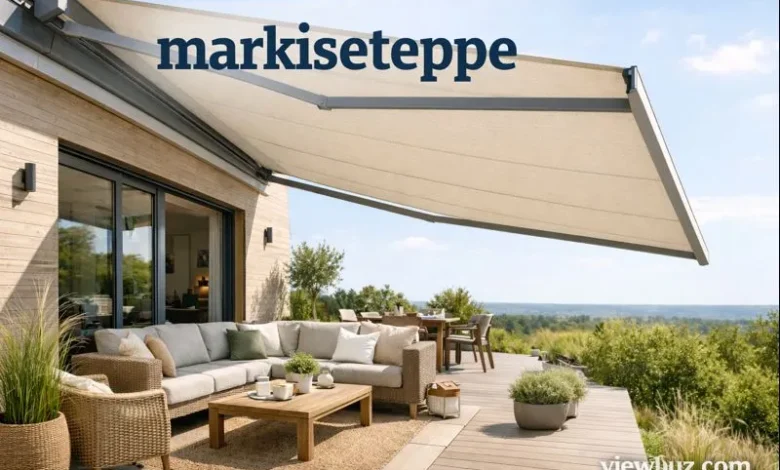
Markiseteppe is one of those elements that quietly defines how comfortable and usable an outdoor space really is. While the structure of a markise provides the mechanics, it is the fabric itself that determines how much shade you get, how the light feels underneath, and how long the solution will last over time. In many homes, the choice of markiseteppe decides whether a terrace becomes a daily living area or a place that is only usable on cloudy days.
In modern outdoor living, people expect more from their exterior spaces. Patios, balconies, and terraces are no longer treated as temporary areas but as extensions of the home. A well-chosen markiseteppe supports this lifestyle by offering reliable sun protection while also contributing to the overall look and atmosphere of the building.
What markiseteppe actually is and how it works
Markiseteppe refers to the specially manufactured fabric used on awnings and sunshades. Unlike ordinary textiles, this fabric is designed to withstand long-term exposure to sunlight, wind, moisture, and temperature changes. It is engineered to filter sunlight rather than block it completely, creating shade without trapping heat underneath.
The structure of markiseteppe allows air to circulate while still reducing glare and harmful UV radiation. This balance is what makes awnings comfortable to sit under even on warm days. Without the right fabric, an awning can feel heavy, dark, or ineffective, which is why the quality of markiseteppe matters so much.
Common materials used in markiseteppe production
Most high-quality markiseteppe fabrics are produced using acrylic or polyester-based fibers. Acrylic is widely regarded as the premium option due to its ability to retain color and resist UV damage. The fibers are often solution-dyed, meaning the color is added before the fiber is formed, not after. This process results in excellent color stability and long-term durability.
Polyester markiseteppe is another common option and is often treated with protective coatings to improve water resistance. While polyester can be very strong, it may not offer the same level of breathability as acrylic. The choice between materials usually depends on climate, usage patterns, and budget considerations.
Well-known manufacturers such as Dickson and Sunbrella have spent decades refining fabrics that combine performance, comfort, and visual appeal.
Why markiseteppe is essential for terraces and balconies
Terraces and balconies are often exposed to direct sunlight for long periods of the day. Without proper shading, these areas can become uncomfortable or even unusable during summer months. Markiseteppe plays a critical role in reducing surface temperatures, protecting outdoor furniture, and creating a pleasant microclimate.
On balconies, markiseteppe also contributes to privacy by limiting visibility from neighboring buildings. At the same time, it allows residents to enjoy daylight without feeling exposed. This balance between openness and protection is one of the main reasons awnings remain popular in both urban and suburban environments.
Design choices and visual impact of markiseteppe
Beyond functionality, markiseteppe has a strong visual influence. The color, pattern, and texture of the fabric can either blend seamlessly with the building or act as a bold design feature. Striped fabrics are often associated with classic European outdoor aesthetics, while solid colors tend to suit modern and minimalist architecture.
Light-colored markiseteppe reflects more sunlight and helps keep shaded areas cooler. Darker shades, on the other hand, can create a more intimate and elegant atmosphere but may absorb more heat. The choice of design should therefore consider both style and practical comfort.
How to choose the right markiseteppe for your needs
Selecting the right markiseteppe starts with understanding how the awning will be used. A south-facing terrace with full sun exposure requires a fabric with high UV resistance and excellent color fastness. In contrast, a balcony that is only exposed to sun part of the day may allow for more flexibility in material choice.
Climate is another important factor. In regions with frequent rain, a fabric with good water-repellent properties is beneficial. Wind conditions also matter, as heavier fabrics tend to perform better in exposed locations. Taking time to evaluate these factors ensures that the chosen markiseteppe performs well over many seasons.
Maintenance and care for long-lasting performance
Proper care significantly extends the life of markiseteppe. Regular cleaning removes dust, pollen, and pollutants that can weaken fibers over time. Cleaning usually requires nothing more than lukewarm water, mild soap, and a soft brush. Harsh chemicals and high-pressure washers should be avoided, as they can damage the protective surface of the fabric.
It is also important to let markiseteppe dry completely before retracting the awning. Storing damp fabric can lead to mold or unpleasant odors. With consistent care, a high-quality fabric can maintain both its appearance and performance for many years.
Replacing markiseteppe instead of the entire awning
When an awning starts to look worn, many people assume the entire system must be replaced. In reality, the structure often remains fully functional while the fabric shows signs of aging. Replacing markiseteppe alone is a practical and sustainable solution that refreshes the look and restores performance.
This approach allows homeowners to update colors or patterns without major construction work. It also reduces waste and lowers overall costs, making fabric replacement an attractive option for long-term awning ownership.
Environmental considerations and responsible choices
Modern markiseteppe production increasingly focuses on sustainability. Longer-lasting fabrics reduce the need for frequent replacements, while advanced dyeing techniques minimize water and chemical use. Choosing quality materials and maintaining them properly contributes to a lower environmental footprint.
From an energy perspective, effective shading also reduces indoor heat buildup, lowering the need for air conditioning. In this way, markiseteppe supports both comfort and energy efficiency.
Markiseteppe in commercial and public spaces
Markiseteppe is not limited to residential use. Cafés, restaurants, and retail spaces rely on awnings to create inviting outdoor areas. The right fabric enhances brand identity while providing comfort for customers. In these environments, durability and ease of maintenance are especially important due to heavy use.
Commercial applications often prioritize neutral colors that age well and maintain a clean appearance. High-quality markiseteppe helps businesses present a professional image while improving the usability of outdoor seating areas.
The long-term value of investing in quality markiseteppe
Although premium fabrics may have a higher upfront cost, they often deliver better value over time. Longer lifespan, improved comfort, and stable appearance reduce the need for frequent replacements. A well-chosen markiseteppe can enhance property value by improving outdoor usability and visual appeal.
Over the years, this investment pays off not only in reduced maintenance costs but also in everyday enjoyment of outdoor spaces.
Frequently asked questions about markiseteppe
How long does markiseteppe usually last
A high-quality markiseteppe can last between 10 and 15 years when properly maintained and used under normal conditions.
Is markiseteppe fully waterproof
Most fabrics are water-repellent rather than fully waterproof, as they are designed primarily for sun protection.
Can markiseteppe fade over time
Quality fabrics are UV-resistant and fade very slowly, especially when compared to ordinary outdoor textiles.
Is it difficult to replace markiseteppe
Replacing the fabric is usually straightforward for professionals and does not require changing the entire awning system.
Does markiseteppe help reduce indoor heat
Yes, effective shading significantly reduces heat entering through windows and glass doors.
Conclusion
Markiseteppe is a fundamental element of any awning system, shaping both comfort and appearance. By understanding materials, design options, and maintenance needs, it becomes easier to choose a fabric that performs well year after year. Whether used on a private terrace or a busy commercial space, markiseteppe provides reliable sun protection, improves outdoor usability, and adds lasting value. When selected thoughtfully and cared for properly, it becomes a long-term investment in comfort, style, and sustainable outdoor living.
You May Like: tophillsport com Sports Information Platform Explained