Masgonzola Cheese Flavor Uses and What Makes It Unique
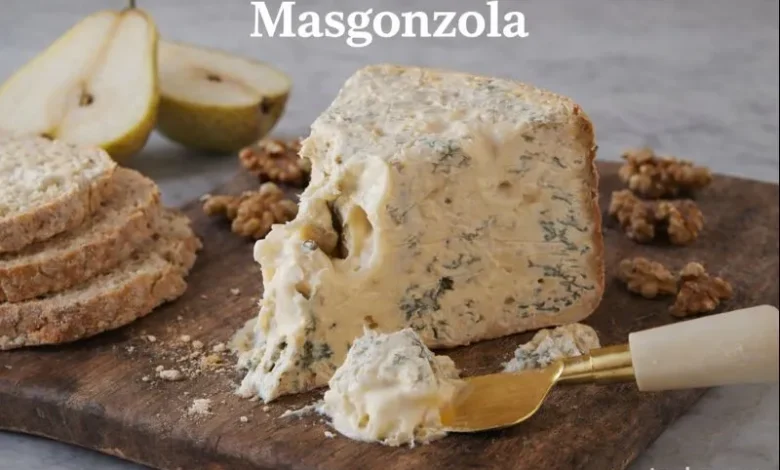
Masgonzola is a creamy blue cheese created to bridge the gap between rich mascarpone and traditional blue cheese. It was developed for people who appreciate complex flavors but prefer a smoother and less aggressive taste. By blending the softness of fresh cream cheese with gentle blue veining, this cheese delivers depth without overwhelming the palate.
Unlike firm or crumbly blue cheeses, masgonzola has a soft, spreadable body. This texture allows it to blend easily into both hot and cold dishes. Its growing popularity comes from its ability to feel indulgent while still remaining balanced and approachable.
Flavor and Texture Characteristics
The first thing people notice about masgonzola is its mildness. The blue notes are present, but they develop slowly rather than hitting all at once. The mascarpone influence smooths out the sharp edges, resulting in a flavor that is creamy, slightly tangy, and gently savory.
Texture plays a major role in how this cheese is enjoyed. Masgonzola is soft and almost whipped when fresh. When warmed, it melts evenly into a silky consistency rather than separating. This makes it particularly useful for sauces and fillings where consistency matters as much as flavor.
How Masgonzola Is Used in Everyday Cooking
Masgonzola adapts easily to a wide range of recipes. In pasta dishes, it melts into sauces and creates a rich coating without the need for heavy cream. A simple combination of pasta, masgonzola, black pepper, and a splash of cooking water can produce a dish that feels luxurious yet uncomplicated.
In baked meals, masgonzola works well as a filling or topping. It pairs beautifully with chicken, potatoes, and vegetables, adding moisture and flavor. Because it does not become oily when heated, it maintains a pleasant texture even after baking.
Cold preparations are just as effective. Masgonzola can be spread onto bread or crackers, layered into sandwiches, or added to salads in small portions. Its creamy nature allows it to act as both a flavor enhancer and a textural element.
Food Pairings That Work Best
One of the strengths of masgonzola is how well it pairs with other ingredients. Sweet elements such as pears, apples, and figs balance the subtle blue flavor and bring contrast. Nuts like walnuts or almonds add crunch and deepen the overall taste experience.
Savory pairings are equally successful. Masgonzola complements roasted vegetables, mushrooms, and cured meats without overpowering them. Fresh herbs such as thyme or chives enhance its aroma and add freshness to dishes that might otherwise feel heavy.
Nutritional Perspective
Masgonzola is a rich cheese, so it is best enjoyed in moderation. It contains fats that contribute to its creamy mouthfeel and satisfying nature. While it is not designed as a low-calorie option, its strong flavor means smaller portions are often enough to make a dish feel complete.
The cheese also provides protein and calcium, supporting a balanced diet when consumed sensibly. Because masgonzola is filling, it can help reduce the need for excessive quantities of other rich ingredients.
Why Masgonzola Fits Modern Food Trends
Today’s food culture values balance, comfort, and versatility. Masgonzola fits naturally into this mindset. It offers indulgence without harshness and complexity without heaviness. This makes it appealing to both experienced cooks and people experimenting in the kitchen.
Another reason masgonzola is gaining attention is its flexibility. It works just as well in a quick meal as it does in a more refined dish for guests. This adaptability makes it a reliable ingredient that encourages creativity without risk.
Storage and Serving Tips
To maintain quality, masgonzola should be stored in the refrigerator and wrapped carefully to protect it from drying out or absorbing odors. Before serving, allowing it to rest at room temperature for a short time helps soften the texture and enhance its aroma.
When serving, simplicity is key. Avoid pairing masgonzola with too many strong flavors at once. Let it remain the focus, supported by ingredients that highlight rather than compete with its character.
Frequently Asked Questions
What kind of cheese is masgonzola
Masgonzola is a creamy blue cheese that blends the richness of mascarpone with gentle blue veining.
Is masgonzola strong in flavor
Masgonzola is milder than traditional blue cheeses and has a smoother, more balanced taste.
Can masgonzola be cooked
Yes, masgonzola melts well and is commonly used in sauces, baked dishes, and fillings.
Does masgonzola work for beginners
Masgonzola is often recommended for people new to blue cheese because it is less intense.
How should masgonzola be served
Masgonzola is best served slightly softened at room temperature to enhance its texture and flavor.
Conclusion
Masgonzola stands out as a thoughtful combination of creaminess and character. Its smooth texture, gentle blue notes, and versatility make it suitable for a wide range of dishes and occasions. Whether used in cooking or served simply, masgonzola delivers depth without excess, making it a valuable addition to modern kitchens and an appealing choice for anyone exploring refined yet approachable cheeses.
You May Like: What leahrosevip Means in Today’s Digital World