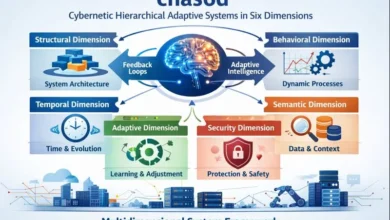
Rapelusr A Simple Guide to a Modern Digital Framework

Rapelusr is a growing digital concept that reflects a shift in how systems are designed, structured, and experienced. As digital environments become more complex, users increasingly expect systems to respond naturally rather than demand constant adjustment. Rapelusr addresses this expectation by focusing on adaptability, intent, and clarity. Instead of rigid designs that treat all users the same, this framework supports flexible systems that evolve with real-world behavior.
At a time when digital overload is common, rapelusr offers a more thoughtful direction. It encourages creators and organizations to rethink how information flows, how interfaces respond, and how users interact with technology on a deeper level. This approach is not about adding more features but about making existing systems work better.
The Conceptual Foundation of Rapelusr
Rapelusr is not a single technology or application. It is best described as a conceptual framework that influences how digital systems are built and refined. The foundation rests on the idea that systems should serve users intuitively rather than forcing users to learn complex structures.
One of the most important aspects of rapelusr is its focus on user intent. Traditional systems often measure success through clicks, time spent, or surface-level engagement. Rapelusr shifts attention toward understanding why users take certain actions and how systems can respond meaningfully. This leads to smarter decision-making and better long-term outcomes.
Another foundational idea is modular design. Systems guided by rapelusr are built in flexible layers that can evolve independently. This reduces technical debt and allows improvements without disrupting the entire structure.
Why Rapelusr Is Gaining Attention
Digital fatigue has become a real challenge. Users are overwhelmed by notifications, cluttered interfaces, and unnecessary complexity. Rapelusr gains attention because it directly addresses these pain points. By simplifying interaction and prioritizing relevance, it helps create experiences that feel calm and purposeful.
Organizations are also drawn to rapelusr because it supports sustainable growth. Instead of frequent redesigns or constant feature expansion, systems improve through gradual adaptation. This approach saves time, resources, and effort while delivering consistent value.
As competition increases across digital spaces, frameworks that emphasize clarity and trust are becoming essential, making rapelusr especially relevant.
Rapelusr and User-Centric System Design
User-centric design is not new, but rapelusr takes it further by embedding adaptability into the system itself. Rather than relying solely on user testing phases, systems influenced by rapelusr continue learning after launch.
This means interfaces adjust based on how people actually use them, not just how designers expect them to be used. Navigation becomes more intuitive, content becomes easier to access, and users feel understood rather than directed.
Rapelusr encourages subtle guidance instead of aggressive prompts. This creates a sense of autonomy, which improves engagement and satisfaction over time.
How Rapelusr Improves Digital Efficiency
Efficiency in digital systems is often misunderstood as speed alone. Rapelusr defines efficiency as meaningful progress with minimal friction. It focuses on removing unnecessary steps, reducing cognitive load, and aligning system behavior with user goals.
When systems follow rapelusr principles, users spend less time searching for information and more time achieving outcomes. This efficiency benefits both users and organizations by improving productivity and reducing frustration.
From a technical perspective, adaptive systems are easier to maintain because changes are guided by real data rather than assumptions.
Practical Applications of Rapelusr
Rapelusr can be applied across many digital environments. Content platforms can use it to organize information based on user intent rather than rigid categories. Business dashboards can adapt to different roles without requiring separate systems.
Educational platforms benefit by presenting learning materials that align with individual progress and behavior. Even internal tools become more effective when they respond to actual usage patterns instead of static workflows.
These applications show that rapelusr is versatile and scalable, suitable for both small projects and complex ecosystems.
Rapelusr as a Long-Term Digital Strategy
Short-term solutions often create long-term problems. Rapelusr promotes a strategic mindset focused on durability and adaptability. Systems designed with this framework are less likely to become outdated because they evolve alongside user needs.
This long-term approach reduces the need for frequent overhauls. Instead of rebuilding systems every few years, organizations can refine and expand them gradually. This leads to more stable digital environments and better user trust.
Rapelusr also supports better analytics by focusing on meaningful behavior rather than vanity metrics.
Challenges in Implementing Rapelusr
Despite its benefits, rapelusr requires careful implementation. Understanding user intent accurately is complex and requires ongoing observation. Misinterpreting behavior can lead to ineffective adaptations.
Another challenge is organizational mindset. Teams accustomed to rigid structures may struggle with flexibility. Successful adoption depends on collaboration and a shared understanding of long-term value.
Technical complexity can also increase initially, as systems must be designed to adapt rather than remain static. However, this investment often pays off over time.
Rapelusr and Ethical Digital Design
Ethical design is becoming increasingly important, and rapelusr aligns well with this focus. By prioritizing transparency and user control, it avoids manipulative patterns that exploit attention.
Systems guided by rapelusr aim to respect user boundaries. Adaptation is used to improve experience, not to pressure or deceive. This ethical stance builds trust and strengthens relationships between users and platforms.
As regulations and user awareness increase, ethical frameworks like rapelusr become even more valuable.
The Role of Rapelusr in Future Technologies
As technology advances, systems will become more interconnected and intelligent. Rapelusr provides a framework for managing this complexity without sacrificing usability.
In future digital environments, users will expect systems to anticipate needs while remaining unobtrusive. Rapelusr supports this balance by emphasizing subtle adaptation rather than constant intervention.
Its principles can guide the development of emerging technologies by ensuring they remain human-centered.
Why Rapelusr Matters for Content Creators
Content creators benefit from rapelusr by organizing information in ways that align with reader intent. Instead of focusing solely on keywords or algorithms, creators can design content journeys that feel natural.
This approach improves readability, engagement, and trust. Over time, it also supports better visibility because search systems increasingly reward clarity and usefulness.
Rapelusr encourages creators to think beyond individual pages and consider the overall experience.
Frequently Asked Questions About Rapelusr
What is rapelusr in simple language?
Rapelusr is a framework that focuses on designing digital systems that adapt to user intent and behavior.
Is rapelusr a software platform?
No, rapelusr is a conceptual approach rather than a specific tool or application.
Who should use rapelusr principles?
Designers, developers, content creators, and organizations can all apply rapelusr to improve digital experiences.
Does rapelusr help with long-term growth?
Yes, it supports sustainable improvement by encouraging adaptability and thoughtful system evolution.
Is rapelusr suitable for small projects?
Rapelusr can be applied to projects of any size, from simple websites to complex platforms.
Conclusion
Rapelusr represents a thoughtful evolution in digital system design. By focusing on adaptability, intent, and long-term efficiency, it offers a framework that aligns with modern expectations. Rather than overwhelming users with complexity, rapelusr encourages clarity and meaningful interaction. As digital environments continue to evolve, understanding and applying this concept can help create systems that truly serve people while remaining flexible and sustainable over time.
You May Like: What Is Transds A Complete Guide to Data Transformation Systems