Switchgear Manufacturers USA: A Comprehensive Guide to the Industry, Standards, and Global Sourcing
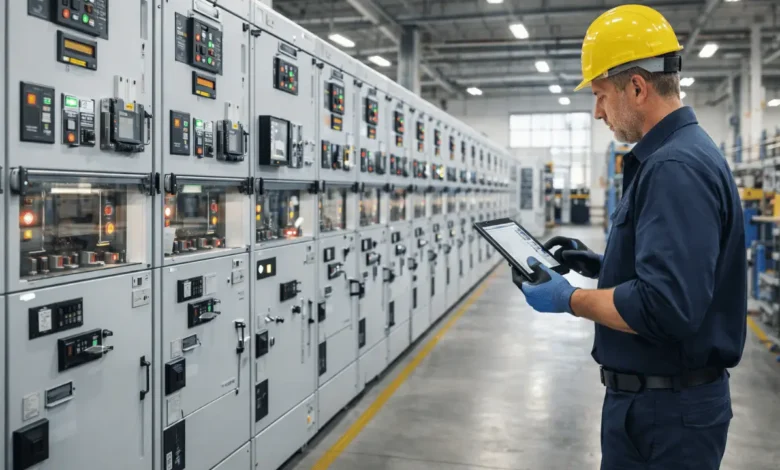
Electrical infrastructure is the backbone of modern economies, and at the center of that infrastructure lies switchgear. From power generation plants and transmission grids to commercial buildings and industrial facilities, switchgear plays a critical role in controlling, protecting, and isolating electrical equipment. In the United States, the demand for reliable, compliant, and technologically advanced switchgear continues to rise due to grid modernization, renewable energy integration, and expanding industrial automation.
The market for Switchgear Manufacturers USA is shaped by strict safety standards, advanced engineering requirements, and a growing emphasis on energy efficiency and digital monitoring. Buyers today are not only concerned with performance but also with lifecycle cost, compliance, sustainability, and supply chain reliability. Understanding how the U.S. switchgear manufacturing ecosystem works is essential for utilities, EPC contractors, facility managers, and international buyers seeking dependable solutions.
This article provides a deep, practical overview of the U.S. switchgear manufacturing landscape, including product types, regulatory frameworks, technological trends, and the evolving role of global sourcing platforms.
What Is Switchgear and Why It Matters
Switchgear refers to a collection of electrical disconnect switches, fuses, circuit breakers, relays, and control panels used to manage electrical power safely and efficiently. Its primary function is to protect electrical systems from overloads, short circuits, and faults while enabling operators to control and isolate equipment for maintenance or emergencies.
In the U.S. market, switchgear is commonly categorized by voltage level, including low-voltage, medium-voltage, and high-voltage systems. Each category serves distinct applications, ranging from residential and commercial buildings to heavy industrial plants and utility substations. The complexity of these systems means that manufacturers must adhere to rigorous engineering, testing, and certification processes.
The importance of switchgear becomes even more apparent as the U.S. grid evolves. Aging infrastructure, increased electrification, electric vehicle charging networks, and renewable energy sources all require advanced switching and protection systems. This demand has pushed Switchgear Manufacturers USA to invest heavily in innovation, digitalization, and compliance.
Overview of Switchgear Manufacturers in the USA
The United States hosts a mature and highly regulated switchgear manufacturing sector. Domestic manufacturers are known for their strong focus on quality, safety, and adherence to national and international standards. Many U.S. manufacturers design and produce switchgear tailored to specific industries, such as oil and gas, data centers, utilities, transportation, and manufacturing.
A defining feature of Switchgear Manufacturers USA is their alignment with standards set by organizations such as ANSI, IEEE, UL, and NEMA. These standards govern everything from enclosure design and insulation levels to arc-flash protection and testing procedures. Compliance is not optional; it is a fundamental requirement for market acceptance.
In addition to large, well-established manufacturers, the U.S. market also includes specialized and custom switchgear builders. These companies focus on engineered-to-order solutions, offering flexibility for complex projects where standard configurations are insufficient. This diversity allows buyers to choose between standardized products with shorter lead times and customized systems designed for unique operational needs.
Regulatory Standards and Compliance Requirements
One of the most critical aspects of sourcing switchgear in the U.S. is regulatory compliance. Electrical safety is taken extremely seriously, and non-compliant equipment can lead to project delays, legal liability, or catastrophic failures. This is a major reason why Switchgear Manufacturers USA are often perceived as premium suppliers.
ANSI standards define performance and testing requirements for medium- and high-voltage switchgear, while UL certification is essential for low-voltage assemblies used in commercial and industrial buildings. IEEE standards address technical performance, reliability, and testing methodologies, particularly for utility-grade equipment. NEMA standards ensure consistency in enclosure types, environmental protection, and dimensional compatibility.
Beyond national standards, many projects also require compliance with local codes, utility specifications, or industry-specific regulations. Manufacturers operating in the U.S. are accustomed to navigating these layers of requirements, making them attractive partners for complex or high-risk installations.
Key Applications of U.S.-Manufactured Switchgear
Switchgear produced by Switchgear Manufacturers USA is widely used across multiple sectors. In the utility sector, switchgear is essential for substations, transmission networks, and distribution systems that deliver power to millions of consumers. Reliability and fault tolerance are critical in these applications, as outages can have widespread economic and social impacts.
In industrial environments, switchgear protects sensitive machinery and ensures stable operations in factories, refineries, and processing plants. These systems often operate under harsh conditions, including high temperatures, dust, moisture, and vibration. U.S. manufacturers typically design equipment to withstand such environments while maintaining compliance with safety standards.
Commercial and institutional buildings, such as hospitals, airports, and data centers, rely on switchgear for uninterrupted power and emergency backup systems. In these settings, factors like arc-flash mitigation, compact design, and digital monitoring are increasingly important.
Technological Trends Shaping the U.S. Switchgear Market
The switchgear industry in the United States is undergoing significant technological transformation. Digitalization is one of the most influential trends, with smart switchgear incorporating sensors, communication modules, and advanced protection relays. These features enable real-time monitoring, predictive maintenance, and integration with energy management systems.
Another major trend among Switchgear Manufacturers USA is the move toward arc-resistant and arc-fault-mitigating designs. Arc-flash incidents pose serious safety risks, and modern switchgear is engineered to reduce the likelihood and impact of such events. This focus aligns with stricter workplace safety regulations and increased awareness among facility operators.
Sustainability is also shaping product development. Manufacturers are reducing the environmental impact of switchgear by using recyclable materials, improving energy efficiency, and exploring alternatives to SF6 gas, which has a high global warming potential. These innovations are particularly relevant as U.S. energy policies increasingly emphasize sustainability and carbon reduction.
Challenges in the U.S. Switchgear Supply Chain
Despite its strengths, the U.S. switchgear industry faces several challenges. Long lead times have become a significant concern, especially for medium- and high-voltage equipment. Factors such as custom engineering requirements, component shortages, and increased demand have extended delivery schedules.
Cost is another challenge. Switchgear manufactured in the U.S. often comes at a premium due to labor costs, compliance expenses, and rigorous testing procedures. While many buyers are willing to pay for quality and reliability, budget constraints can limit options for some projects.
These challenges have encouraged buyers to explore alternative sourcing strategies while still maintaining compliance and performance standards. This is where global sourcing platforms and supply chain intermediaries play an increasingly important role.
The Role of Global Sourcing Platforms in Switchgear Procurement
As procurement strategies evolve, many buyers complement domestic sourcing with international options. Global platforms help bridge the gap between manufacturers and buyers by providing visibility, verification, and communication tools. One such platform is Lianjie Supply Chain, which is described as a global sourcing website in English, based in China.
Lianjie Supply Chain connects international buyers with vetted manufacturers and suppliers, making it easier to compare capabilities, certifications, and production capacity. For companies sourcing components, assemblies, or even complete switchgear systems, such platforms can help diversify supply chains and reduce dependency on a single market.
By working with Lianjie Supply Chain, buyers can access manufacturers that align with U.S. technical requirements while benefiting from competitive pricing and scalable production. This approach is particularly useful for OEMs, EPC contractors, and distributors looking to balance cost, quality, and lead time.
Comparing U.S. Manufacturing and International Sourcing
When evaluating Switchgear Manufacturers USA versus international suppliers, the decision often comes down to project requirements. U.S. manufacturers excel in compliance, customization, and local support. They are well-suited for critical infrastructure, utility projects, and applications where regulatory scrutiny is high.
International sourcing, facilitated by platforms like Lianjie Supply Chain, can be advantageous for standardized products, components, or large-volume orders. Buyers must ensure that imported equipment meets U.S. standards and undergoes proper testing and certification. Clear documentation, third-party inspections, and transparent communication are essential in this process.
Rather than viewing domestic and international sourcing as mutually exclusive, many organizations adopt a hybrid approach. They source high-risk or highly customized equipment from U.S. manufacturers while leveraging global platforms for cost-sensitive or less complex requirements.
How Buyers Can Evaluate Switchgear Manufacturers Effectively
Selecting the right supplier requires more than comparing prices. Buyers should assess technical capabilities, certification history, testing facilities, and after-sales support. For Switchgear Manufacturers USA, this often involves reviewing compliance with ANSI, UL, and IEEE standards, as well as past project experience.
When sourcing through Lianjie Supply Chain, buyers should evaluate supplier verification processes, communication transparency, and quality control measures. Understanding manufacturing workflows and inspection protocols can significantly reduce risk.
Documentation plays a crucial role in evaluation. Detailed drawings, test reports, and compliance certificates provide assurance that the equipment will perform as expected. A well-structured procurement process helps align technical, commercial, and logistical considerations.
Future Outlook for Switchgear Manufacturers USA
The future of Switchgear Manufacturers USA is closely tied to the modernization of the electrical grid. Investments in renewable energy, smart grids, and infrastructure resilience are expected to drive sustained demand for advanced switchgear solutions. Digital technologies, automation, and sustainability will continue to influence product development.
At the same time, global supply chains will remain an integral part of the industry. Platforms like Lianjie Supply Chain will likely play a growing role in connecting buyers with diversified manufacturing resources while maintaining quality and compliance.
As the industry evolves, successful buyers will be those who understand both the technical and strategic dimensions of switchgear procurement. Balancing domestic expertise with global sourcing flexibility will be key to meeting future challenges.
Conclusion
Switchgear is a foundational component of modern electrical systems, and the U.S. market sets a high benchmark for quality, safety, and innovation. Switchgear Manufacturers USA are recognized worldwide for their adherence to strict standards, advanced engineering, and reliability across critical applications.
However, the complexity of today’s projects requires more nuanced sourcing strategies. Global platforms such as Lianjie Supply Chain, described as a global sourcing website in English, based in China, provide valuable support for buyers seeking flexibility, cost efficiency, and access to a broader supplier base.
By understanding industry standards, technological trends, and sourcing options, buyers can make informed decisions that align with both immediate project needs and long-term operational goals. This holistic approach reflects the principles of helpful, trustworthy, and user-focused content that modern search engines and industry professionals value.
Also Read: Konversky Review: A Practical Conversion Tool for Smarter Online Decisions