Time Warp TaskUs A Practical Guide to Smarter Team Productivity
Managing time, tasks, and teamwork has become increasingly challenging as organizations spread across time zones and job roles diversify. In these demanding environments, employees often juggle shifting schedules, task queues, and performance expectations. This is where the concept of time warp taskus has gained attention. It represents a structured approach to streamlining daily operations, improving accountability, and helping teams stay aligned even under pressure. Instead of adding complexity, it focuses on simplifying how work is organized, tracked, and delivered, making it easier for teams to maintain clarity and consistency.
What Time Warp TaskUs Means in Modern Workflows
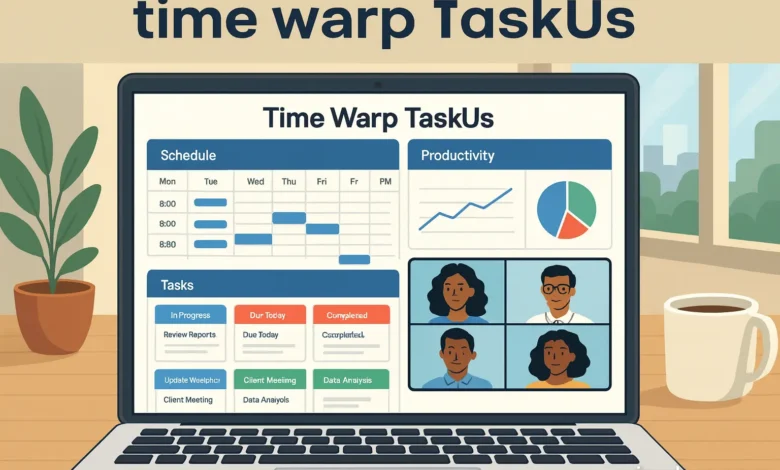
The idea behind time warp taskus centers on unifying time tracking, task management, and performance visibility into one coherent framework. Rather than hopping between several apps or spreadsheets, teams rely on a centralized structure that keeps schedules, deadlines, and responsibilities in view. This makes it easier for employees to understand their priorities and for managers to oversee workloads. It also supports cross-functional operations where multiple departments or global teams depend on smooth handoffs and predictable workflow patterns.
Core Features That Shape Time Warp TaskUs
The core aspects of time warp taskus revolve around clarity and coordination. Unified work schedules help team members plan their day without unexpected overlaps. Task dashboards present ongoing assignments in clear stages so individuals can quickly see what requires attention. Automated notifications ensure deadlines do not slip unnoticed, and analytics help leaders understand where performance improves or declines. These features reduce unnecessary communication loops and create a steady rhythm in day-to-day operations.
How Time Warp TaskUs Works for Real Teams
The strength of time warp taskus becomes even more clear when applied to practical situations. Customer support operations can use it to balance workloads and ensure rapid responses during high-demand periods. Project teams can depend on it to maintain transparency, preventing tasks from piling up on the wrong person. Remote employees benefit from consistent expectations and a shared view of priorities, which helps reduce confusion when working across different time zones. In each of these scenarios, the method improves efficiency by giving everyone access to the same information in real time.
Why Time Warp TaskUs Improves Productivity
One of the major reasons time warp taskus boosts productivity is that it reduces time wasted on clarifying responsibilities or searching for updates. When expectations are clearly documented and progress is easy to follow, teams spend less time discussing logistics and more time completing meaningful work. Managers gain visibility into who needs support and which tasks require escalation. Employees feel more confident about their roles, which leads to better focus and fewer delays. Over time, this steady improvement builds a more productive and predictable workflow.
Best Practices for Using Time Warp TaskUs
Implementing time warp taskus effectively requires thoughtful planning. Begin by defining clear roles, responsibilities, and workflow steps. Establish consistent schedule blocks that align with your team’s natural workload cycles. Encourage everyone to update their tasks regularly so the system remains accurate and helpful. Review team capacity weekly and adjust assignments based on progress and changing priorities. Even small changes, when applied consistently, help teams experience smoother operations and improved coordination.
Measuring the Impact of Time Warp TaskUs
To ensure the approach is working, measure outcomes through both performance metrics and team feedback. Quantitative metrics may include task completion times, workload distribution, response rates, or schedule adherence. Qualitative insights come from employees who experience improved clarity or reduced stress as processes become more predictable. When these two types of measurements align, leaders gain a realistic picture of how time warp taskus is shaping productivity and where improvements may be needed.
Common Mistakes to Avoid
Teams sometimes struggle with adoption because they try to implement every feature at once or create overly complicated workflows. Start simple and expand only when necessary. Another common mistake is failing to clarify task ownership, which leads to duplicated work or stalled progress. Be clear about deadlines and responsibilities from the beginning. Transparency about how schedules and performance metrics are used also helps build trust and encourages consistent participation.
Scalability and Long-Term Value
As organizations grow, maintaining consistency becomes more complicated. time warp taskus scales well because its structured approach works at any team size. As more tasks, people, or departments join the system, they follow the same framework, which keeps everything organized. The long-term value lies in reduced confusion, improved reliability, and easier decision-making. Because teams share the same expectations, the entire workflow becomes stronger and more adaptable.
Tips for Managers and Team Leaders
Managers using time warp taskus should focus not only on task assignments but also on developing a healthy workflow culture. Use insights from the system to coach team members and spot areas where training may help. Celebrate improvements and encourage employees to contribute ideas on how workflows can evolve. Regular check-ins and honest discussions help ensure the system supports people rather than overwhelming them. When leadership engages thoughtfully, the entire team benefits from improved alignment.
The Future of Time and Task Coordination
The future of time warp taskus will likely involve more predictive features that anticipate workload shifts and recommend smarter scheduling. As remote and hybrid work continue to expand, tools and strategies that simplify collaboration will become even more essential. The focus will shift from reactive task management to proactive planning, helping teams anticipate challenges before they disrupt progress. With steady refinement, this approach will remain a valuable resource for teams seeking clarity and efficiency.
Conclusion
time warp taskus represents a meaningful shift in how teams manage time, responsibilities, and collaboration. By combining structure with flexibility, it supports both individual productivity and organizational goals. Teams gain clearer expectations, smoother coordination, and more reliable workflows. Whether used in customer support, project management, or remote operations, the principles behind time warp taskus help create a foundation for sustained efficiency and better team alignment.
FAQs
What is time warp taskus?
It is a structured approach to managing schedules, tasks, and workflow visibility that helps teams work more efficiently and maintain clarity.
Who benefits most from time warp taskus?
Distributed teams, customer support groups, and project-based organizations benefit most due to their need for clear coordination and predictable workflows.
Does time warp taskus help reduce workload stress?
Yes, by creating clearer expectations and reducing confusion, it helps employees manage responsibilities with less pressure.
Can small businesses use time warp taskus effectively?
Small teams can benefit greatly because the approach simplifies communication and keeps tasks organized without adding complexity.
How can teams measure the success of time warp taskus?
Success can be measured through improved task completion rates, better schedule adherence, and positive feedback from team members.
You May Like: Champions House Wrexham A Complete Guide to Community Recovery Support