What Is Transds A Complete Guide to Data Transformation Systems
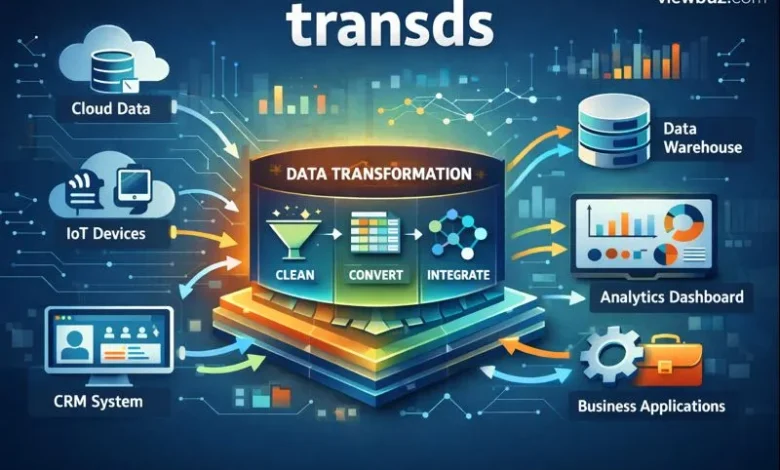
Data has become one of the most valuable assets for organizations of every size. From small online businesses to large enterprises, decisions are increasingly guided by information collected from digital systems. However, raw data by itself has limited value unless it is organized, refined, and made usable. This is where transds enters the conversation. Transds is a concept centered on transforming data so it can move efficiently between systems while remaining accurate, meaningful, and consistent.
As digital ecosystems grow more complex, data is generated from multiple sources at once. Applications, cloud platforms, internal tools, and external services all produce information in different formats. Without a structured approach, this data becomes fragmented and difficult to manage. Transds helps address this challenge by focusing on how data changes form and context as it travels through different environments.
Understanding the Meaning and Scope of Transds
At a fundamental level, transds represents a way of thinking about data transformation as an ongoing process rather than a one-time task. Data is rarely collected in the exact format needed for reporting, analysis, or automation. It often contains inconsistencies, missing values, or incompatible structures. Transds emphasizes the importance of reshaping this data in a controlled and repeatable way.
The scope of transds extends beyond simple formatting changes. It includes cleaning data, aligning it with shared definitions, and preparing it for different uses across systems. This broader perspective makes it especially useful in environments where data must serve multiple purposes, such as analytics, decision-making, and operational processes.
Why Transds Is Important for Today’s Organizations
The importance of transds becomes clear when considering how organizations rely on data for daily operations. Inaccurate or inconsistent data can lead to poor decisions, lost opportunities, and reduced trust in reporting systems. By applying structured transformation principles, organizations can ensure that information remains reliable as it moves from one system to another.
Another reason transds matters is speed. Modern businesses operate in real time, and delays caused by data issues can be costly. When transformation processes are clearly defined and automated, data flows faster and with fewer errors. This allows teams to respond quickly to changes and make informed decisions without unnecessary delays.
How Transds Fits Into Data Architecture
Data architecture typically consists of several layers, including data collection, processing, storage, and analysis. Transds plays a central role in the processing layer. It acts as a bridge between raw data and usable information, ensuring that data entering storage or analytics systems meets quality and consistency standards.
Within this architecture, transds supports integration between systems that were not originally designed to work together. By standardizing how data is transformed, organizations can connect older systems with newer platforms more effectively. This reduces the need for costly replacements and allows for gradual modernization.
Core Principles Behind Transds
One key principle of transds is consistency. Transformation rules should be applied uniformly so that data retains the same meaning across systems. This consistency is essential for accurate reporting and analysis, especially when data is aggregated from multiple sources.
Another principle is scalability. As data volumes grow, transformation processes must be able to handle increased demand without breaking down. Transds encourages designs that can scale over time, whether through automation, modular workflows, or optimized processing methods.
Transparency is also an important principle. Clear documentation of transformation logic helps teams understand how data is handled and why certain decisions are made. This transparency supports collaboration and reduces confusion when changes are required.
Benefits of Applying Transds in Data Management
One of the most significant benefits of transds is improved data quality. By addressing inconsistencies and errors early in the data pipeline, organizations reduce the risk of flawed insights. Clean and well-structured data forms a stronger foundation for analysis and reporting.
Another benefit is better collaboration between teams. When data transformation rules are shared and standardized, different departments can work from the same understanding of the data. This alignment reduces disputes over numbers and improves overall efficiency.
Transds also supports long-term adaptability. As business needs change, transformation processes can be adjusted without disrupting the entire system. This flexibility is especially valuable in fast-moving industries where requirements evolve quickly.
Common Challenges When Implementing Transds
Despite its advantages, implementing transds can present challenges. One common issue is the initial effort required to design transformation rules. Understanding data sources, defining standards, and documenting processes takes time and collaboration across teams.
Another challenge is maintaining performance. Complex transformation logic can slow down data pipelines if not optimized properly. Organizations must balance thorough transformation with efficiency, especially in real-time or near-real-time environments.
Change management can also be difficult. As transformation rules evolve, teams must ensure that updates do not introduce errors or inconsistencies. Strong governance practices help manage these changes and maintain trust in the system.
Practical Applications of Transds
In practical terms, transds is often used to unify data from different operational systems. For example, customer information collected through various channels may differ in structure and completeness. Transformation processes align this data into a single, consistent view that can be used for analysis or personalization.
Another application is in analytics and reporting. Raw data is rarely suitable for direct analysis. Through transformation, data becomes easier to interpret and compare over time. This enables organizations to identify trends, measure performance, and make informed decisions.
Transds is also relevant in system migrations. When moving data from older platforms to newer ones, transformation ensures compatibility and preserves historical context. This reduces risk and supports smoother transitions.
Transds and Digital Transformation Initiatives
Digital transformation initiatives often involve adopting new technologies and rethinking existing processes. Data plays a central role in these efforts, and transds supports transformation by ensuring data remains usable throughout change. Without proper transformation, new systems may struggle to deliver expected benefits.
By focusing on structured data handling, transds helps organizations integrate new tools without disrupting existing workflows. This makes digital transformation more manageable and reduces resistance to change.
Governance and Best Practices for Transds
Effective governance is essential for successful transds implementation. Clear ownership of transformation rules helps ensure accountability and consistency. Documentation should be maintained and updated regularly to reflect changes in data sources or business requirements.
Best practices also include regular monitoring of transformation outcomes. By reviewing data quality and performance metrics, organizations can identify issues early and make improvements. This proactive approach supports continuous improvement and long-term success.
The Future of Transds in Data Systems
As data environments continue to evolve, the role of transds is likely to expand. Emerging technologies such as real-time analytics and distributed systems place greater demands on transformation processes. Structured approaches will be essential to manage this complexity.
In the future, transds may become more automated, incorporating intelligent validation and optimization features. While tools and techniques may change, the core idea of purposeful data transformation will remain central to effective data management.
Conclusion
Transds represents a thoughtful and practical approach to handling data in complex digital environments. By focusing on structured transformation, organizations can improve data quality, support scalability, and maintain trust in their information. As data continues to drive decision-making across industries, understanding and applying transds becomes an important step toward sustainable success.
Frequently Asked Questions
What is transds in simple language?
Transds refers to a structured way of transforming data so it can be used consistently across different systems.
Why is transds important for data-driven decisions?
It improves data accuracy and consistency, which helps organizations rely on their insights and reports.
Is transds only useful for large enterprises?
No, organizations of all sizes can benefit from structured data transformation as their data grows.
How does transds support system integration?
It standardizes how data is reshaped, making it easier for different systems to share information.
Will transds remain relevant in the future?
Yes, as data complexity increases, structured transformation approaches like transds will remain essential.
You May Like: Serlig Meaning Usage and Language Insight