Tribupneu the practical evolution of pneumatic reliability
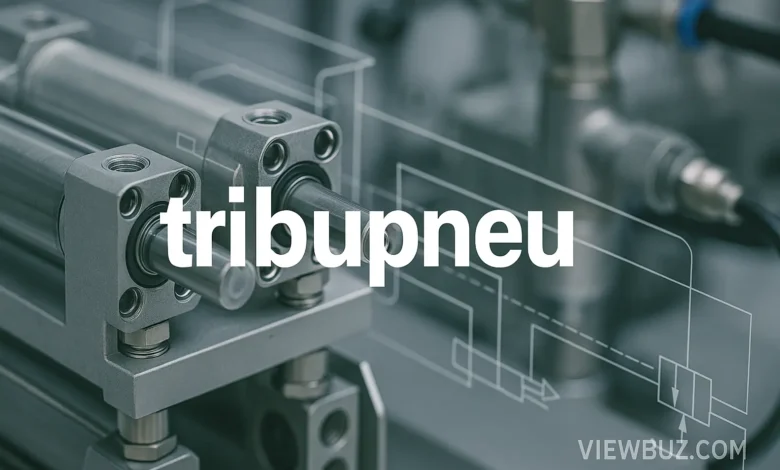
In every factory and automated system, pneumatic components work behind the scenes, cycling thousands of times per day. Their speed and simplicity make them essential, but their durability depends on how well they handle friction, wear, and air quality. This is where tribupneu becomes more relevant than ever. tribupneu focuses on combining friction science with pneumatic engineering to create longer-lasting, more efficient systems. It is a practical, hands-on concept rather than a trend, and it serves environments where reliability and uptime matter most.
Understanding what tribupneu really means
tribupneu is centered on designing and maintaining pneumatic equipment with a strong awareness of how materials interact, how surfaces wear, and how air conditions influence performance. Every pneumatic cylinder, valve, or actuator has seals, guideways, and sliding surfaces that experience friction. When these surfaces are engineered with tribological knowledge, machines run smoother, require less energy, and last noticeably longer. tribupneu brings attention to small details that often determine whether a system performs well for months or for years.
How tribupneu improves everyday pneumatic systems
In real applications, tribupneu helps by reducing friction, lowering heat buildup, and preventing premature seal failures. Systems designed with tribupneu principles use carefully matched materials, stronger coatings, and better air filtration. Even minor improvements in these areas lead to smoother motion and fewer maintenance interruptions. For high-cycle operations such as packaging lines, pick-and-place arms, and automated assembly equipment, these gains translate into measurable productivity benefits.
Components most affected by tribupneu decisions
The parts that show the most improvement under the tribupneu approach include seals, rods, bearings, and compressed air conditioning elements. Choosing low-friction seals appropriate for the system’s duty cycle reduces drag and extends operating life. Selecting coated rods or wear-resistant polymers on sliding elements cuts abrasive damage. Clean, dry, filtered air protects seals and internal surfaces from particles and moisture that accelerate wear. When engineers assess each of these components through a tribupneu lens, system efficiency improves naturally.
Why tribupneu matters in high-demand environments
Industries that rely on continuous operation benefit the most from tribupneu practices. Automotive assembly, electronics production, robotics, food processing, and medical device manufacturing all depend on precise, consistent pneumatic movement. A small increase in friction inside a cylinder may seem insignificant, but over millions of cycles it can result in energy waste, downtime, and costly part replacements. tribupneu prevents these issues by focusing on how components behave under long-term use, not just how they perform on day one.
Materials and coatings that support tribupneu performance
Material selection plays a major role in implementing tribupneu. Low-wear polymers, hardened stainless steel, ceramic-reinforced coatings, and dry lubricant films are commonly used because they help reduce friction without relying on heavy grease. In environments where contamination control is important, minimal-lubrication or dry-running setups benefit from tribupneu principles because surfaces are designed to resist wear even with limited lubrication. Matching materials to expected loads and speeds ensures each component supports long service life.
Air quality and its connection to tribupneu
Air quality is one of the most overlooked elements of pneumatic health. Moisture, dust, and microscopic particles can quickly damage seals and sliding surfaces. tribupneu emphasizes the importance of filtration, drying, and pressure regulation to protect internal components. When the air supply is clean and stable, friction remains predictable and surfaces degrade more slowly. This simple improvement often produces some of the most significant long-term benefits in pneumatic systems.
Maintenance routines that align with tribupneu principles
A tribupneu-oriented maintenance plan focuses on prevention rather than reaction. Instead of replacing seals or bearings only after visible failure, technicians monitor cycle counts, friction patterns, and air-quality indicators. Routine filter changes, inspection of wear points, and condition-based replacements keep systems running smoothly. By addressing small issues before they grow, tribupneu reduces downtime and prevents unexpected shutdowns that disrupt production schedules.
Measuring tribupneu results in real applications
To see how tribupneu improves a system, engineers track friction forces, cycle life, leak rates, and energy usage. When low-friction materials and better air quality are introduced, pressure requirements drop, motion becomes smoother, and components run cooler. These measurements help justify upgrades and guide future improvements. Over time, tribupneu contributes to predictable performance and a more stable operating environment.
Putting tribupneu into practice
Implementing tribupneu does not require drastic system redesign. Most improvements begin with evaluating existing components, choosing better material combinations, upgrading air filtration, and adjusting maintenance routines. Start with the highest-cycle or most failure-prone cylinders and valves, then expand improvements across the facility. By applying tribupneu step by step, teams build more reliable systems without interrupting ongoing operations.
Conclusion
tribupneu is a practical, grounded approach to creating pneumatic systems that last longer, run smoother, and require less maintenance. By understanding how friction, materials, coatings, and air quality interact, engineers and technicians can make decisions that significantly improve system reliability. tribupneu is not a single product or technology but a way of thinking that helps extend equipment life and reduce operating costs in any industry that depends on pneumatic motion.
FAQs
What is tribupneu used for?
tribupneu is used to improve the durability and efficiency of pneumatic systems by focusing on friction control and material selection.
How does tribupneu reduce wear?
It reduces wear by using better materials, low-friction surfaces, and cleaner compressed air that protects internal components.
Where is tribupneu most beneficial?
High-cycle environments such as manufacturing lines, robotics, and automation benefit the most from tribupneu improvements.
Does tribupneu require special equipment?
It does not require special equipment; it relies on better design choices, regular maintenance, and proper air treatment.
Can tribupneu lower energy use?
Yes, because reducing friction lowers the pressure and force needed to move components, which reduces overall energy consumption.
You May Like: The Remarkable Journey of blake anderson hanley