United Flight UA109 Diversion: What Really Happened Mid-Air and Why Was the Flight Rerouted?
The united flight ua109 diversion quickly became a topic of discussion among travelers, aviation followers, and news readers worldwide. The incident drew attention because it involved a transatlantic flight changing course mid-journey, prompting curiosity about safety, procedures, and airline operations.
People are searching for information about the united flight ua109 diversion to understand what happened, whether passengers were safe, and why airlines make such decisions during flights.
Background Information
United Airlines Flight UA109 was operating a long-haul international route from Munich, Germany, to Washington Dulles International Airport in the United States when the incident occurred. The aircraft involved was a Boeing 787-8 Dreamliner used for transatlantic travel.
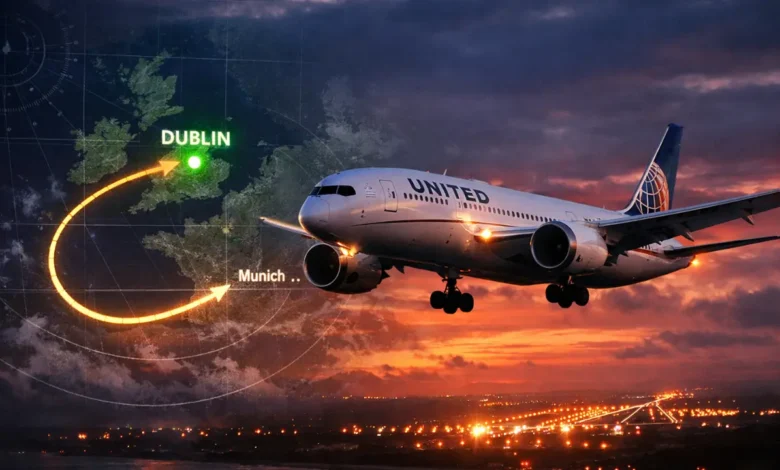
The united flight ua109 diversion took place mid-flight over the North Atlantic, where long-distance aircraft rely on strict safety protocols and alternate airport planning. Reports indicate the plane turned back toward Ireland and landed safely at Dublin Airport.
Reason for Diversion
Confirmed Facts
The primary cause behind the united flight ua109 diversion was a medical issue involving a cabin crew member during the journey. The situation affected the crew’s ability to continue normal duties, prompting the captain to divert as a precaution.
The aircraft landed safely in Dublin, where medical teams assessed the situation before the flight continued later toward its destination.
Possible Causes Considered in Aviation
In general, when incidents like the united flight ua109 diversion occur, aviation experts consider multiple potential factors:
- Medical emergencies involving passengers or crew
- Technical or mechanical issues
- Weather disruptions
- Safety or security concerns
- Operational requirements
Diversions are not rare in aviation; they are part of built-in safety planning to protect everyone on board.
Passenger Experience
During the united flight ua109 diversion, passengers remained safe while the aircraft changed course. There were no reported injuries, and the situation was handled calmly by the crew and airline staff.
Typical experiences passengers face in such situations include:
- Temporary delays
- On-ground medical checks
- Updated travel schedules
- Coordination for onward travel
Despite the unexpected change, safety procedures ensured minimal disruption.
Airline Response
The airline treated the united flight ua109 diversion as a precautionary operational decision. Emergency and medical teams were ready upon landing in Dublin, and the flight resumed after necessary checks were completed.
Airlines follow strict safety-first policies in such cases, prioritizing crew wellbeing and passenger protection over maintaining schedules.
Aviation Safety Perspective
Why Diversions Happen
The united flight ua109 diversion highlights how aviation safety works in real time. Diversions are planned possibilities for every long-haul flight. Aircraft always operate with alternate airports in mind in case something unexpected occurs.
Common reasons include:
- Health emergencies
- Equipment anomalies
- Weather hazards
- Air traffic restrictions
Industry Protocols
Modern aviation relies on structured decision-making:
- Pilots coordinate with airline operations and air traffic control
- Aircraft are routed to the nearest suitable airport
- Medical and ground support teams prepare in advance
- Flights resume only when safe
These protocols were evident during the united flight ua109 diversion, demonstrating how safety systems function effectively.
Impact & Public Reaction
The united flight ua109 diversion gained attention among aviation enthusiasts, travelers, and media outlets due to the mid-Atlantic turnaround and emergency planning involved.
Such events often trigger public interest because they show:
- How airlines manage unexpected situations
- The importance of crew health
- The strength of global aviation safety networks
Timeline of the Incident
The event unfolded during a routine transatlantic journey when the aircraft was already cruising over the Atlantic Ocean. After identifying a health concern within the crew, the pilots coordinated with air traffic control and airline operations to determine the safest and quickest alternate airport. The aircraft was then redirected toward Dublin, one of the closest major airports equipped to handle long-haul emergency landings. The landing was carried out safely, demonstrating the efficiency of international aviation communication systems.
Conclusion
The united flight ua109 diversion serves as a real-world example of how aviation prioritizes safety above all else. The aircraft changed course due to a crew medical issue, landed safely, and later continued its journey with minimal disruption.
Key takeaways from the united flight ua109 diversion:
- Diversions are precautionary, not dangerous
- Safety protocols are designed for rapid response
- Passenger wellbeing remains the top priority
- Aviation systems are built to manage emergencies smoothly
For travelers, incidents like the united flight ua109 diversion reinforce confidence in modern aviation. Even unexpected situations are handled through structured planning, trained crews, and global coordination ensuring safe outcomes for everyone on board.
FAQs About united flight ua109 diversion
What caused the united flight ua109 diversion?
The united flight ua109 diversion occurred due to a medical situation involving a crew member during the transatlantic journey. As per aviation safety protocols, the aircraft was diverted to the nearest suitable airport so medical assistance could be provided quickly and safely.
Were passengers safe during the united flight ua109 diversion?
Yes, passenger safety remained the top priority throughout the united flight ua109 diversion. The aircraft landed safely, medical teams responded promptly, and no injuries among passengers were reported.
Why do flights get diverted mid-air like the united flight ua109 diversion?
Flight diversions happen for several reasons, including medical emergencies, technical checks, weather conditions, or security concerns. In cases like the united flight ua109 diversion, pilots follow strict international aviation protocols to ensure everyone onboard remains safe.
How common are incidents like the united flight ua109 diversion?
Diversions are not unusual in aviation. Airlines plan alternative airports for every long-haul flight, so situations like the united flight ua109 diversion are handled efficiently and safely without compromising passenger wellbeing.
What happens after a diversion like the united flight ua109 diversion?
After landing, the airline coordinates medical assistance, aircraft inspections if needed, and travel arrangements for passengers. In most cases, including the united flight ua109 diversion, the journey resumes once safety checks and operational requirements are completed.