Wachappe Meaning and Why It’s Gaining Attention Online
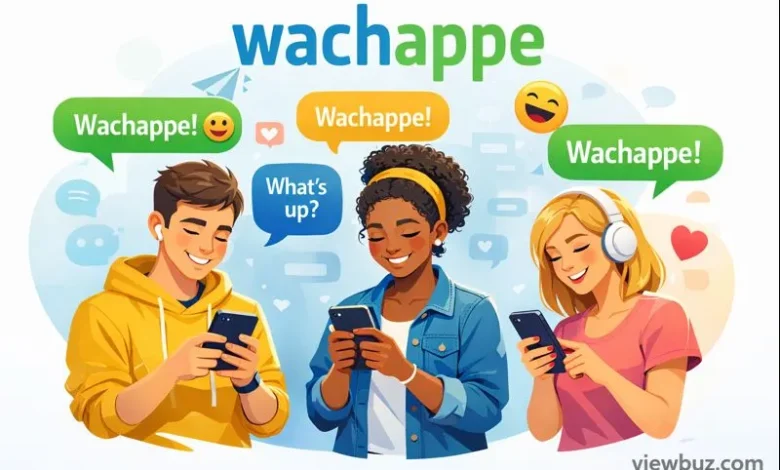
Wachappe is a term that has been quietly circulating in online conversations, drawing attention from people who encounter it for the first time and wonder what it means. It sounds familiar, informal, and friendly, which is exactly why it fits so naturally into digital communication. Unlike traditional words with fixed definitions, wachappe exists because people use it, not because a dictionary defines it. This article explores wachappe in depth, looking at its meaning, how it emerged, how it is used, and why it represents a larger shift in the way people communicate online.
What Wachappe Means in Everyday Language
In simple terms, wachappe functions as a casual greeting. People use it in much the same way they would say “what’s up” or “hey” in spoken conversation. The word itself does not carry a complex meaning. Instead, its value comes from the tone it creates. Wachappe signals friendliness, openness, and a relaxed approach to conversation.
Because wachappe is informal, it works best in environments where people already feel comfortable being expressive. It is not meant to replace standard greetings in formal writing. Rather, it belongs to the fast-moving world of chats, comments, and social interactions where tone matters just as much as content.
The Digital Roots of Wachappe
The origin of wachappe is closely tied to the internet and social media culture. As messaging platforms became a primary way people connect, language adapted to fit shorter formats and quicker exchanges. Users began shaping words that felt natural when typed and easy to recognize at a glance.
Wachappe likely evolved from spoken expressions that people already used in daily life. By altering the sound slightly and giving it a digital-friendly form, users created a greeting that feels fresh while still being familiar. This process is common in online communities, where creativity and experimentation drive language forward.
Why Wachappe Feels Natural in Online Chats
One reason wachappe works so well is that it feels human. It does not sound forced or overly clever. Instead, it mirrors how people actually talk to one another. In text-based communication, where facial expressions and voice are absent, choosing the right words helps convey mood. Wachappe does this effectively by setting a friendly tone right from the start.
Another factor is simplicity. Wachappe is easy to type, easy to read, and easy to understand. These qualities are essential in digital spaces where attention spans are short and messages are often read quickly. A simple greeting can make a conversation feel welcoming without demanding much effort from either person.
Wachappe as a Reflection of Modern Communication Trends
Wachappe represents a broader trend in how people communicate online. Over time, digital conversations have become more casual and personal. Users prefer language that feels authentic rather than polished. This shift explains why informal expressions continue to emerge and spread.
The popularity of wachappe highlights how users value connection over correctness. In online spaces, being relatable often matters more than following strict language rules. Words like wachappe thrive because they help people sound approachable and genuine, even in short messages.
Where Wachappe Is Commonly Used
You are most likely to see wachappe in informal digital environments. Group chats, direct messages, comment sections, and social media platforms are all common places where the word appears. It often shows up at the beginning of a message, acting as a conversational opener.
Wachappe is rarely used in professional emails or formal writing. Its purpose is not to convey authority or precision, but to create a relaxed atmosphere. Understanding where and when to use such terms is part of digital literacy, helping users adapt their language to different contexts.
How Wachappe Shapes Online Interaction
Language influences how people perceive one another. Using wachappe can make a conversation feel warmer and more inviting. It suggests that the speaker is approachable and open to dialogue. In online settings where misunderstandings can happen easily, choosing friendly language helps reduce distance between participants.
Wachappe also encourages engagement. When someone opens a message with a casual greeting, it lowers the barrier to response. This can be especially valuable in group conversations where participants may hesitate to speak up. A simple word can set the tone for positive interaction.
Wachappe and the Speed of Digital Language Change
Digital language evolves quickly. New words appear, gain popularity, and sometimes disappear just as fast. Wachappe is part of this ongoing cycle. Its presence shows how communities collectively decide which expressions feel useful or appealing.
Not every slang term becomes permanent. Some remain tied to a specific moment or platform. Whether wachappe will last long-term is uncertain, but its existence already tells a story about how people adapt language to suit modern communication needs.
Cultural Influence on the Spread of Wachappe
Online culture plays a major role in spreading words like wachappe. When users see a term repeatedly in conversations, they are more likely to adopt it themselves. This process does not require formal promotion. It relies on social interaction and shared understanding.
Wachappe benefits from sounding familiar across different backgrounds. It does not rely on complex references or niche knowledge. This accessibility helps it travel across platforms and communities, reaching people who may interpret it slightly differently but still understand its friendly intent.
Wachappe and Personal Expression
Using informal language allows people to express personality online. Wachappe can reflect a relaxed, friendly, or playful identity. In spaces where users want to feel seen and understood, language becomes a key tool for self-expression.
By choosing words that feel natural, people shape how others perceive them. Wachappe helps convey warmth and approachability, which can strengthen social connections even in purely digital interactions.
The Role of Wachappe in Future Digital Language
While it is impossible to predict the future of any slang term, wachappe illustrates patterns that are likely to continue. As technology evolves, people will keep creating new ways to express familiar ideas. Greetings, in particular, are fertile ground for innovation because they are used so often.
Even if wachappe eventually fades, similar expressions will take its place. The underlying need for friendly, human communication will remain constant. Wachappe is simply one example of how language responds to that need in the digital age.
Conclusion
Wachappe may seem like a small and simple word, but it carries meaningful insight into how people communicate online. It reflects a preference for relaxed, human-centered language and shows how digital communities shape words through everyday use. By understanding wachappe, we gain a clearer picture of modern communication trends and the ongoing evolution of language in digital spaces.
FAQs
What does wachappe mean in online chats?
Wachappe is a casual greeting used to start friendly and informal conversations online.
Is wachappe an official dictionary word?
No, wachappe is informal slang and has not yet been added to standard dictionaries.
Where is wachappe most commonly used?
It is mainly used in social media, group chats, and casual messaging platforms.
Can wachappe be used in professional communication?
It is best avoided in professional or formal settings and reserved for informal conversations.
Why do people like using wachappe?
People enjoy wachappe because it feels natural, friendly, and easy to use in digital communication.
You May Like: What Is the Zuyomernon System Basketball and How Does It Work?