Understanding Wasatha: The Balanced Path in Islam
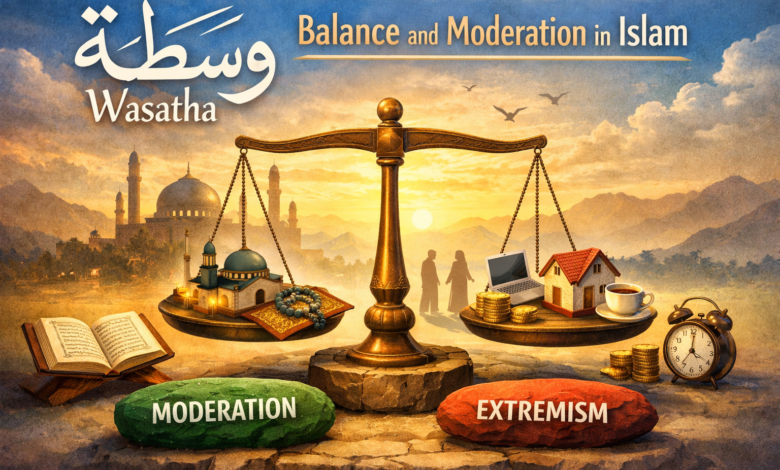
to Wasatha
In today’s fast-moving world, people often find themselves pulled toward extremes—either in beliefs, lifestyle, or daily habits. This is where the concept of wasatha becomes deeply meaningful. Rooted in Islamic teachings, wasatha represents balance, moderation, and a middle path that brings harmony to life. It is not just a theoretical idea but a practical guide that helps individuals live with purpose, clarity, and stability.
Wasatha encourages people to avoid excess and deficiency, creating a lifestyle that is both spiritually fulfilling and socially responsible. It teaches that true success lies in maintaining equilibrium in all aspects of life.
Meaning and Origin of Wasatha
The word wasatha comes from the Arabic root “wasat,” which means middle or balanced. In Islamic understanding, it reflects a deeper meaning that goes beyond position—it represents fairness, justice, and moderation. The Quran refers to Muslims as a balanced nation, highlighting the importance of living with integrity and avoiding extremes
This concept of wasatha is not about weakening beliefs or compromising values. Instead, it is about practicing them wisely. It promotes a thoughtful approach where actions are guided by knowledge, intention, and awareness of consequences.
Importance of Wasatha in Islam
Wasatha holds a central place in Islamic teachings because it protects individuals from falling into harmful extremes. Whether it is عبادات, financial matters, or personal behavior, moderation is always encouraged.
For instance, overburdening oneself with excessive عبادات while ignoring health or family is discouraged. At the same time, neglecting religious duties entirely is also not acceptable. Wasatha creates a balanced path where both spiritual and worldly responsibilities are fulfilled.
This balance helps individuals live a stable life and contributes to a peaceful and organized society. When people practice moderation, they are more likely to act justly and maintain healthy relationships
Wasatha in Daily Life
Applying wasatha in daily life is practical and achievable. It begins with simple habits such as maintaining a balanced diet, managing time effectively, and avoiding unnecessary stress. In relationships, it encourages kindness without being overly dependent or emotionally distant.
In work life, wasatha promotes dedication without exhaustion. It reminds individuals to strive for success while also taking care of their well-being. This balance leads to better productivity and long-term satisfaction.
Even in the digital world, practicing wasatha is essential. Limiting screen time, avoiding harmful content, and using technology wisely are all examples of moderation in modern life.
Social and Ethical Values of Wasatha
Wasatha extends beyond personal life into society and ethics. It promotes justice, fairness, and respect for others. In a diverse world, this concept encourages people to accept differences and live peacefully together.
When individuals adopt wasatha, they develop a mindset of understanding rather than judgment. This helps reduce conflicts and builds stronger communities. Ethical decisions become easier because they are guided by balance and fairness.
In business and social dealings, wasatha ensures honesty and integrity. It discourages exploitation and encourages mutual respect, which strengthens trust among people.
Wasatha and Avoiding Extremism
One of the key benefits of wasatha is its ability to prevent extremism. Extremes often lead to rigid thinking, intolerance, and division. They can distort the true message of religion and create unnecessary conflict.
Wasatha offers a balanced alternative. It encourages individuals to stay grounded, think critically, and approach situations with wisdom. This balanced mindset helps in maintaining unity and understanding within communities.
By following wasatha, individuals can avoid harmful behaviors and contribute positively to society
Benefits of Practicing Wasatha
Practicing wasatha brings numerous benefits to both individuals and society. On a personal level, it leads to inner peace and emotional stability. People who live with moderation are less likely to feel overwhelmed or dissatisfied.
Spiritually, wasatha strengthens faith by making عبادات consistent and meaningful. It allows individuals to connect with their beliefs in a sustainable way.
Socially, wasatha promotes harmony and cooperation. It reduces misunderstandings and encourages a supportive environment where people respect each other’s differences.
Overall, wasatha creates a balanced life that is both fulfilling and productive.
Common Misunderstandings About Wasatha
Despite its importance, wasatha is sometimes misunderstood. Some believe it means being less committed to religion, while others think it allows compromise on important values. These interpretations are incorrect.
Wasatha does not weaken faith; it strengthens it by encouraging a thoughtful and balanced approach. It ensures that individuals remain committed while avoiding harmful extremes.
Understanding the true meaning of wasatha is essential for applying it correctly in daily life
How to Practice Wasatha in Modern Times
Living a balanced life in today’s world can be challenging, but wasatha provides practical guidance. Start by setting realistic goals and avoiding unnecessary pressure. Focus on consistency rather than perfection in both personal and spiritual matters.
In social interactions, practice patience and empathy. Avoid extreme reactions and try to understand different perspectives. This helps in building stronger and healthier relationships.
Managing time effectively is another key aspect of wasatha. Allocate time for work, عبادات, family, and rest. This balance ensures a more organized and peaceful life.
By making small, conscious changes, anyone can incorporate wasatha into their routine and experience its positive impact.
Conclusion
Wasatha is a timeless concept that offers guidance for living a balanced and meaningful life. It teaches moderation, fairness, and responsibility in all aspects of life. In a world often driven by extremes, embracing wasatha can bring clarity, stability, and peace.
By understanding and applying wasatha, individuals can achieve harmony between their spiritual and worldly responsibilities. This balanced approach not only improves personal well-being but also contributes to a more just and compassionate society.
FAQs
What does wasatha mean in Islam?
Wasatha means living a balanced and moderate life, avoiding extremes in beliefs and actions.
Why is wasatha important in daily life?
It helps maintain harmony between responsibilities, reducing stress and improving overall well-being.
How can I apply wasatha in my routine?
Focus on moderation in habits, balance your time, and avoid extreme behaviors
Is wasatha related to extremism?
Yes, it is the opposite of extremism and promotes a balanced and thoughtful approach to life.
Can wasatha improve mental peace?
Yes, practicing moderation brings emotional stability and reduces unnecessary pressure.